Top 10 Motor Rotor Shaft Manufacturers for Global Buyers
For global equipment builders, choosing a reliable Motor Rotor Shaft manufacturer can affect efficiency, safety, and service life. A Motor Rotor Shaft may look like a simple steel component. In practice, it transfers torque under demanding conditions. Small defects can create vibration, noise, heat, or premature bearing failure. This guide presents ten manufacturers serving international buyers, with attention to engineering capability, production consistency, and communication quality.
The evaluation considers material selection, CNC machining, heat treatment, surface finishing, dynamic balancing, and dimensional inspection. It also reviews experience with carbon steel, alloy steel, stainless steel, and customized shaft designs. Strong suppliers should provide clear drawings, inspection records, traceability, and realistic tolerances. ISO-related quality systems may support confidence, but certification alone does not guarantee excellent parts. Ask for evidence.
Real projects often reveal more than brochures. A shaft with a 0.01-millimeter tolerance can require careful measurement, controlled grinding, and stable packaging. Suppliers should explain how they manage keyway accuracy, concentricity, runout, and corrosion protection. Their response to technical questions also matters. Fast replies are useful, but precise replies are better.
No ranking is perfect. Manufacturing strengths change over time. Public information may also be incomplete or promotional. Buyers should verify samples, audit reports, references, and current production capacity before placing large orders. The following manufacturers offer different advantages, from high-volume production to specialized engineering support. Compare them against your motor design, operating environment, delivery schedule, and risk requirements.
What Motor Rotor Shafts Are and Why Their Design Matters
Top 10 Motor Rotor Shaft Manufacturers for Global Buyers
What Motor Rotor Shafts Are and Why Their Design Matters
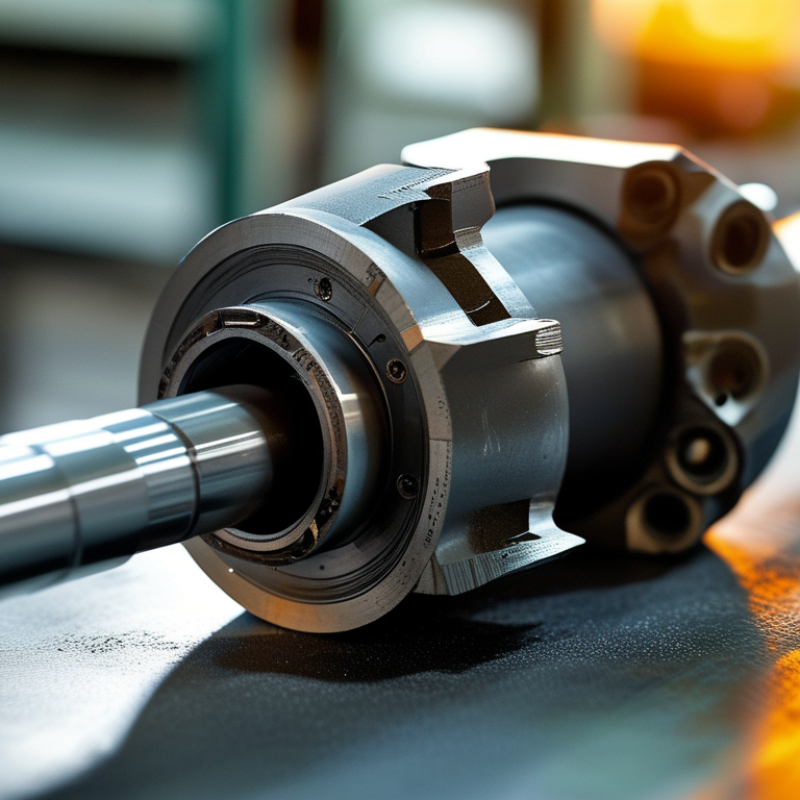
A motor rotor shaft is the rotating steel core that transfers torque to a machine. It supports laminations, magnets, gears, or cooling components. During operation, it also carries radial and axial loads from bearings and connected equipment.
Its design directly affects efficiency, vibration, noise, and service life. A precise shaft keeps the rotor centered at high speed. Even a small runout can create harmful imbalance. Bearing journals need accurate dimensions and smooth surfaces. Keyways and splines must transmit torque without creating sharp stress points.
Material selection matters too. Alloy steel may provide strength under repeated loads. Heat treatment can improve hardness and fatigue resistance. However, excessive hardness may reduce toughness. This trade-off deserves careful review.
From practical inspections, balance quality often reveals manufacturing discipline. Technicians check concentricity, surface finish, hardness, and dimensional records. They may also use magnetic particle or ultrasonic testing for critical applications. These checks support reliable purchasing decisions.
A strong supplier should explain its process clearly. Ask about forging, machining, heat treatment, balancing, and final inspection. Request traceable reports for each production batch. It is easy to focus on price. That can be a mistake. A cheaper shaft may increase vibration, downtime, and replacement costs. Design requirements should match speed, load, temperature, and installation conditions. Not every specification is perfect on the first draft. Field feedback should refine it.
Key Criteria for Evaluating Global Rotor Shaft Manufacturers
Top 10 Motor Rotor Shaft Manufacturers for Global Buyers
When comparing global rotor shaft manufacturers, begin with material control. Ask for steel grades, mill certificates, and heat-treatment records. Traceability should follow each shaft from raw bar to final inspection. Small gaps matter.
Machining capability is equally important. Review diameter tolerances, runout limits, surface roughness, and balancing procedures. A capable factory should explain how it measures every critical feature. Request sample inspection reports, not only polished brochures. Visit the production floor when possible. Look closely at calibration labels, fixture condition, and operator instructions. These details often reveal process discipline.
Production experience must match your motor design and volume. Ask whether the manufacturer has handled stepped shafts, keyways, splines, or complex journals. Engineering teams should discuss stress concentration, fatigue risk, and press-fit behavior clearly. Reliable suppliers also provide corrective-action reports after defects. That response shows more than a quality certificate. Delivery planning deserves equal attention, including tooling ownership, packaging, and spare capacity. A perfect supplier rarely exists. I would question any factory claiming zero production problems. Honest manufacturers explain weaknesses and show how they reduce them. Before approval, test pilot batches under realistic loads and inspect dimensional stability after machining. Supplier rankings can guide research, but verified evidence should control the final decision.
Manufacturing Capabilities, Quality Systems, and Customization Options
Top 10 Motor Rotor Shaft Manufacturers for Global Buyers
Manufacturing capabilities, quality systems, and customization options separate reliable rotor shaft manufacturers from ordinary machine shops. Global buyers should examine forging, turning, grinding, heat treatment, balancing, and final inspection. A capable supplier can control bearing seats within specified tolerances and provide material certificates for every batch. Some facilities also use coordinate measuring machines, roundness testers, and dynamic balancing equipment aligned with ISO 21940. Small details matter.
The ISO Survey 2023 recorded more than 1.26 million valid ISO 9001 certificates worldwide. However, certification alone does not prove process stability. Buyers should request control plans, calibration records, nonconformance data, and sample inspection reports. The International Energy Agency estimates that electric motor systems consume roughly half of global electricity. This increases demand for efficient, durable rotor assemblies. Custom options may include stainless steel, alloy steel, special keyways, threaded ends, protective coatings, and low-noise balancing grades. Shaft drawings are often incomplete. That is a costly weakness.
Tips: Compare suppliers using the same drawing, tolerance chart, and test requirements. Ask for a first-article inspection before mass production. Confirm maximum shaft length, straightness, surface finish, and balancing speed. Check whether heat-treatment records are traceable to each lot. A practical audit should include a factory visit or live video inspection. Do not overlook packaging. A polished shaft can still arrive with corrosion or impact marks. Reflect carefully: the lowest quotation may hide rework, delayed testing, or unclear engineering responsibility.
Top 10 Motor Rotor Shaft Manufacturers for Global Buyers
Manufacturing capabilities, quality systems, and customization options — illustrated buyer evaluation model
The chart presents a non-company-specific procurement scorecard. The percentages represent suggested evaluation weights for comparing global rotor shaft suppliers, rather than market share or verified supplier rankings.
How Global Buyers Can Select the Right Rotor Shaft Supplier
Top 10 Motor Rotor Shaft Manufacturers for Global Buyers
How Global Buyers Can Select the Right Rotor Shaft Supplier
Selecting a rotor shaft supplier requires more than comparing prices. The shaft must match the motor’s torque, speed, load, and operating temperature. Ask for material certificates, heat-treatment records, and dimensional inspection reports. These documents reveal whether the supplier controls its process consistently.
Review machining capability carefully. Check achievable tolerances, surface roughness, concentricity, and balancing methods. A shaft may look accurate on paper but perform poorly after assembly. Request production samples when possible. Test them under realistic speed and load conditions. Small details matter, such as keyway edges, bearing seats, and corrosion protection.
Supplier experience should be visible, not merely claimed. Examine case histories, quality procedures, equipment lists, and inspection capacity. Confirm traceability from raw steel to final shipment. Reliable suppliers explain problems openly and provide corrective actions. Communication speed also matters when drawings change or defects appear.
Do not choose only by the lowest quotation. Hidden costs often arise from rework, packaging damage, delayed tooling, or inconsistent batches. I have seen technically strong suppliers fail because they underestimated export coordination. That is worth remembering. A perfect checklist is not enough. Discuss forecast volumes, sampling rules, delivery terms, and warranty responsibilities before signing. Then compare evidence, not promises.