Top SMT Machine Manufacturers and Suppliers Worldwide?
Choosing the right Smt Machine supplier is rarely a simple comparison of speed, price, or brand reputation. A modern production line depends on several connected details. Placement accuracy matters, but so do feeder stability, changeover time, software integration, and technical support. Even a fast machine can become expensive when spare parts arrive late or operators struggle with daily maintenance.
Michael Ford, a recognized electronics manufacturing strategist, has repeatedly emphasized the practical value of usable production data: “The biggest challenge is not collecting data, but making it useful.” This principle applies directly to Smt Machine selection. Manufacturers should examine real production evidence, including uptime records, placement performance, programming tools, and service response. A polished brochure is not enough. Sometimes, the quietest machine on the factory floor is the most valuable one.
This guide reviews leading Smt Machine manufacturers and suppliers worldwide through an experience-based lens. It considers high-volume automotive lines, flexible electronics factories, and smaller contract manufacturers with frequent product changes. Supplier reputation is important, yet it should not replace careful evaluation. Regional support, training quality, software compatibility, and long-term operating costs can change the final decision.
No global ranking is perfectly permanent. Market conditions shift, technologies improve, and customer requirements differ. Some details may also be difficult to compare openly. That limitation deserves attention. The strongest supplier for one factory may be unsuitable for another, especially when floor space, labor skills, or production volume changes.
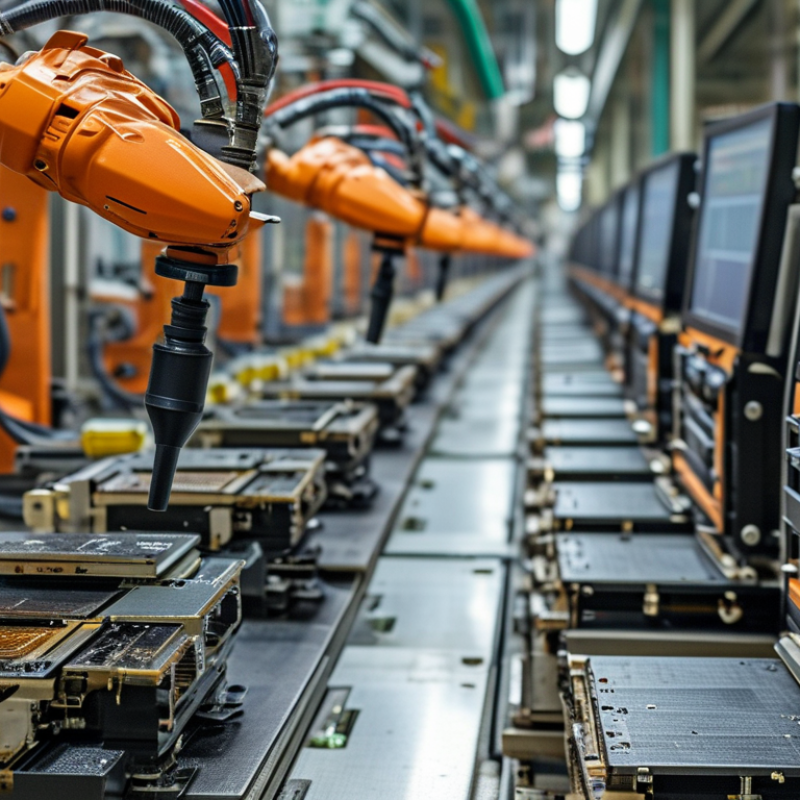
SMT Machine Manufacturing: Scope, Technologies, and Industry Role
SMT machine manufacturing supports the precise placement of electronic components on printed circuit boards. Its scope includes screen printers, pick-and-place systems, reflow ovens, inspection equipment, feeders, and production software. Together, these machines form a connected assembly line. Modern systems use vision cameras, motion control, data tracking, and automated calibration. These technologies improve placement accuracy and reduce material waste. However, performance still depends on feeder condition, operator training, and maintenance discipline.
Worldwide manufacturers and suppliers serve sectors such as automotive electronics, medical devices, telecommunications, and consumer products. Experienced suppliers usually provide equipment selection, installation, process validation, spare parts, and technical training. Reliable evaluation should include placement accuracy, throughput, changeover time, software compatibility, and local service capacity. Factory visits and documented test runs can reveal practical limitations. A machine may appear impressive during a short demonstration. Real production can expose weaknesses.
Tips: Request sample boards before purchasing. Check support response times. Compare total ownership costs, not only purchase prices. Ask how calibration records are managed. Confirm compliance with applicable safety and quality requirements. Keep critical spare parts available. Small delays become expensive quickly. No factory is perfect. Even strong engineering teams may overlook humidity, dust, or difficult component packaging. A careful supplier should acknowledge these risks and explain corrective procedures clearly.
Key Types of SMT Machines and Their Production Functions
SMT production begins with the stencil printer, which deposits solder paste onto precisely aligned pads. SPI then measures paste height, area, and volume before components are placed. This matters because poor paste transfer remains a major source of assembly defects. The pick-and-place machine handles tiny resistors, connectors, and integrated circuits at high speed. Its feeders must remain stable. One loose feeder can damage an entire shift’s consistency.
Reflow ovens use controlled heating zones to melt solder and form reliable joints. Cooling speed also affects component stress. AOI checks placement, polarity, solder bridges, and missing parts after reflow. For hidden joints, AXI provides internal inspection through X-ray imaging. Cleaning systems remove flux residues when product reliability or coating requirements demand it. According to SEMI’s 2024 equipment report, global semiconductor manufacturing equipment sales reached about 106.3 billion dollars in 2023, showing continued investment pressure across electronics production. IFR’s World Robotics 2024 report also recorded roughly 23% of industrial robot installations in electrical and electronics manufacturing. Automation is expanding.
Yet machine speed can mislead. A fast placer cannot compensate for poor paste control or frequent feeder changes. In practice, line balance, inspection feedback, and maintenance discipline often determine usable output. I would treat advertised throughput as a starting point, not proof. Actual results depend on board complexity, changeover time, operator skill, and material stability.
Key SMT Machine Types and Their Production Functions
This chart presents representative processing-time ranges for common SMT production machines. Actual times vary with board size, component count, inspection coverage, conveyor speed, and line configuration.
How to Compare SMT Equipment, Capabilities, and Support
Comparing SMT equipment starts with the board, not the brochure. Measure package sizes, placement accuracy, feeder capacity, and true hourly output. A machine claiming 60,000 placements per hour may slow with small components, frequent changes, or inspection stops. Ask for a trial using your actual boards. Bring difficult packages. Include fine-pitch parts, heavy connectors, and uneven panels. Record changeover time, nozzle availability, and first-pass yield. Numbers collected on your floor matter more than ideal factory figures.
Capabilities also include software, traceability, and process control. Check whether the system records feeder errors, component lots, alarms, and operator actions. Confirm data export formats before installation. Integration can become expensive when protocols differ. Inspect printing, placement, solder inspection, and rework together. A fast placer cannot rescue unstable paste deposition. Request sample reports and review them with your process engineer. We once overlooked feeder setup time. The quoted capacity looked excellent, but the daily schedule did not. That mistake was avoidable.
Support deserves the same scrutiny as hardware. Ask about local technicians, response targets, spare-part stock, training hours, and remote diagnostics. Request references from factories with similar products and volumes. Speak with operators, not only sales teams. Their comments reveal cleaning effort, software friction, and recurring alarms. Maintenance manuals should be practical, searchable, and updated. Verify warranty exclusions and travel charges in writing. A lower purchase price may hide longer downtime. Even strong evaluations can miss night-shift realities, so test support outside office hours.
Global Market Trends Shaping the Future of SMT Machinery
Top SMT Machine Manufacturers and Suppliers Worldwide
Global SMT machinery is moving toward connected, flexible, and data-driven production. Manufacturers now prioritize real-time monitoring, automated inspection, and faster product changeovers. A modern line can record feeder errors, placement accuracy, and soldering temperatures within seconds. This evidence helps engineers find repeated faults before they become costly defects.
Artificial intelligence is improving inspection, but it is not flawless. Poor lighting, unusual components, or incomplete training data can still confuse a vision system. Energy efficiency is also gaining attention. New equipment uses standby modes, optimized heating zones, and smarter compressed-air systems. Meanwhile, supply chain uncertainty is pushing factories to choose modular machines. These systems can adapt when product designs change. That flexibility may matter more than maximum speed.
Tips: Compare total ownership costs, not only purchase prices. Ask suppliers for service response times, spare-part availability, software update policies, and operator training. Request a live demonstration using your own board samples. Check data compatibility with existing factory systems. Small details matter. A technically impressive machine may still underperform if workers find its interface difficult. Buyers should also measure actual uptime during trials, because advertised capacity rarely reflects every production condition. No forecast is perfect. Careful testing remains essential.