China Top Solar LED Flood Lights Manufacturers?
Choosing China’s top Solar Led Flood Lights manufacturers requires more than comparing catalog prices. Buyers must examine optical performance, battery quality, weather resistance, and production consistency. A reliable supplier should explain lumen output, beam angles, charging time, and operating hours under realistic conditions. Marketing figures can look impressive. Field results may differ.
Experienced manufacturers usually provide clear product drawings, test reports, sample units, and traceable quality records. Look for evidence of IP65 or higher protection, efficient photovoltaic panels, stable lithium batteries, and durable aluminum housings. Certifications should match the target market and be verified through credible documentation. Factory audits can reveal details that websites often hide, including assembly standards, aging tests, and packaging quality.
This guide introduces leading Chinese manufacturers and the standards behind their reputations. It considers OEM flexibility, minimum order quantities, warranty support, spare parts, and communication after delivery. A practical supplier should discuss installation angles, winter performance, shading, and local climate risks. Not every claim survives testing. Even strong factories may show uneven results between batches, so independent samples remain valuable. Buyers should compare measured performance rather than rely on polished brochures. Small details matter. The best choice is not always the cheapest manufacturer, but the partner that documents its process, accepts reasonable scrutiny, and improves when problems appear.
What Are Solar LED Flood Lights and How Do They Work?
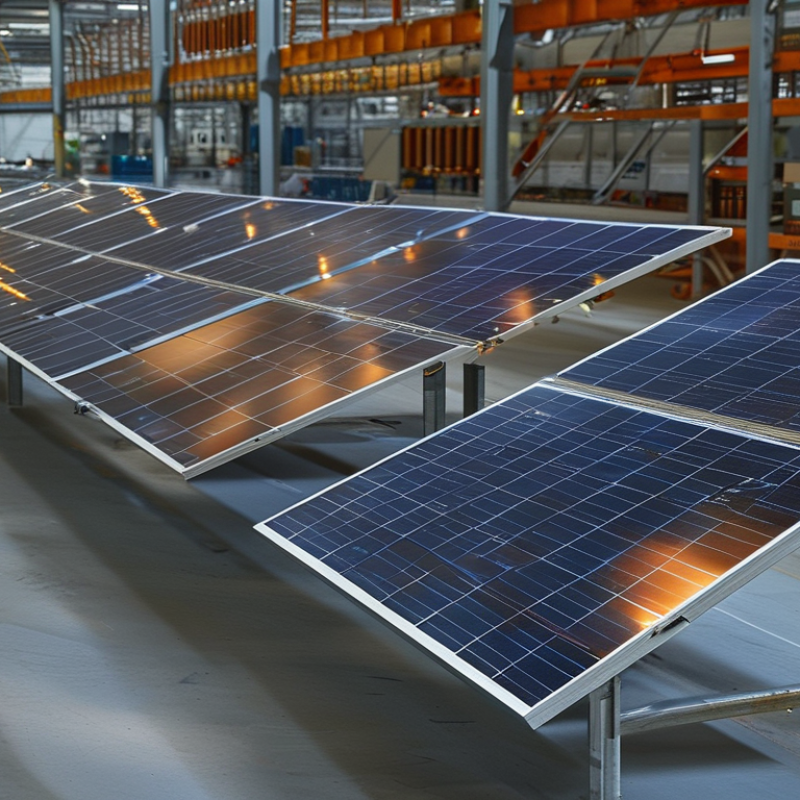
Solar LED flood lights are outdoor lamps powered by sunlight rather than grid electricity. A typical unit includes a solar panel, rechargeable battery, LED array, charge controller, and housing. During daylight, the panel converts sunlight into electrical energy. The controller regulates charging and protects the battery from overcharging.
After sunset, the stored energy powers the LEDs. A light sensor usually activates the lamp automatically. Some models also use motion detection to increase brightness when people approach. The controller may reduce output later at night to conserve energy. This balance affects brightness, runtime, and battery life.
In practical installations, panel direction matters greatly. Dust, shade, and winter weather can reduce charging efficiency. A light rated for 12 hours may perform differently during cloudy weeks. That detail is often underestimated. China’s experienced solar lighting manufacturers commonly test illumination, waterproof performance, battery cycles, and temperature resistance. However, test results still need careful verification. Buyers should compare actual lumen output, battery capacity, photovoltaic power, beam angle, and ingress protection ratings. A higher wattage claim does not always mean stronger usable light. Field trials remain valuable, especially for roads, gardens, warehouses, and remote facilities.
Why Choose Chinese Solar LED Flood Light Manufacturers?
Why Choose Chinese Solar LED Flood Light Manufacturers?
Chinese solar LED flood light manufacturers offer practical advantages for outdoor lighting projects. Many factories combine LED assembly, solar panel sourcing, battery testing, and housing production under one roof. This can shorten communication and reduce delays between suppliers.
Their experience covers construction sites, parking areas, farms, roads, and remote facilities. A reliable manufacturer can recommend beam angles, mounting heights, battery capacity, and panel sizes for each location. Ask for lighting simulations and photometric data. Request sample testing before placing a large order.
Quality still varies. Not every factory deserves trust. A low quotation may hide weak batteries, thin aluminum, or unstable waterproof seals. Experienced buyers should check IP test reports, thermal performance, charging efficiency, and night-time operating hours. Factory audits also reveal production discipline and inspection procedures.
Chinese suppliers often support custom housings, control settings, packaging, and installation instructions. They may also provide documentation for required safety and electromagnetic standards. However, specifications need careful verification. Some documents can be outdated, incomplete, or based on different test conditions.
Communication matters more than price alone. Clear drawings, written tolerances, and agreed inspection points prevent costly misunderstandings. A dependable supplier explains limitations honestly. That behavior is valuable, even when the answer is inconvenient.
Which Manufacturing Features Define High-Quality Solar Flood Lights?
High-quality solar LED flood lights begin with disciplined manufacturing, not bright marketing claims. Experienced factories select monocrystalline panels with stable output under changing sunlight. They also match panel capacity, battery storage, and LED power carefully. An oversized lamp can drain its battery before dawn.
Battery quality deserves close inspection. Reliable manufacturers use protected lithium batteries with documented cycle testing. They check charging performance at high and low temperatures. The battery compartment should resist water, dust, and condensation. Small details matter.
IP protection is important. Ask for traceable test reports, not only printed ratings. Good production lines inspect seals, cable entries, screws, and housing joints. Aluminum housings should release heat through practical fin designs. Excessive heat can reduce LED life, even when the lamp looks powerful.
Optical testing also separates serious manufacturers from ordinary assemblers. Engineers measure beam spread, brightness, glare, and light uniformity. A flood light should illuminate a driveway without creating harsh dark patches. Motion sensors need repeated tests for range and false triggering. I have seen attractive samples fail after several rainy nights.
Quality control should include aging tests, water spraying, charging checks, and random sample inspections. Factory records should connect each product to its components and test results. No manufacturer is perfect. However, transparent factories admit weak points and improve their process. That honesty is often more valuable than exaggerated efficiency figures.
China Solar LED Flood Lights: High-Quality Manufacturing Benchmarks
High-quality solar LED flood lights are commonly evaluated by luminous efficacy, weather protection, photovoltaic conversion efficiency, battery cycle life, and warranty coverage. The reference values below represent practical performance benchmarks used in technical product evaluation rather than data from any specific company or brand.
How to Select the Right Chinese Manufacturer for Your Project?
China remains a major sourcing base for solar LED flood lights, but production scale can hide quality differences. The IEA PVPS Trends 2024 report recorded more than 1.6 terawatts of global photovoltaic capacity by the end of 2023. That growth supports stronger component supply, not automatic product reliability. Ask each Chinese manufacturer for factory audit records, production photographs, and traceable component lists.
Check technical evidence before discussing price. Require independent reports for illuminance, battery capacity, charging performance, and thermal safety. Confirm the test conditions, not just the final numbers. Look for compliance with relevant IEC 60598 requirements, suitable IP protection, and documented quality procedures under ISO 9001. The IP code matters.
Outdoor failures often begin with moisture.
Review the solar panel’s rated power against local sunlight data. The Global Solar Atlas can help compare project locations, while IRENA’s Renewable Capacity Statistics 2024 reported 1,419 GW of global solar capacity at the end of 2023. This figure shows market maturity, but it does not guarantee winter performance in your installation area. Request at least several weeks of sample operation, including cloudy days. Inspect battery temperature, dimming behavior, pole mounting, and cable seals personally or through a third-party inspector. A certificate alone is not proof. My own checklist is still imperfect; early samples can perform better than later production batches. Put replacement parts, warranty response times, and acceptance testing into the contract before placing a deposit.





