


What Is a TS11 Pneumatic Breaker and How Does It Work?

A TS11 Pneumatic Breaker is a compact impact tool designed to fracture hard materials with repeated piston strikes. It commonly appears in construction, repair, quarrying, and maintenance work. Its power comes from compressed air, not an electric motor or fuel engine. That difference matters in dusty or demanding work areas.

The operating cycle is direct. Compressed air enters the breaker through its inlet. Internal valves guide the air above and below a piston. The piston moves rapidly and transfers force to the working tool. The tool then strikes rock, concrete, masonry, or another approved surface. Exhaust air leaves through the outlet, and the cycle repeats many times each second. It sounds simple. It is not entirely simple.

Performance depends on air pressure, hose size, lubrication, tool condition, and operator technique. A restricted hose can weaken each blow. Poor lubrication can increase wear around moving parts. A loose connection may waste air and create unnecessary noise. Experienced users inspect these details before demanding full impact power. They also confirm the manufacturer’s specifications, because TS11 configurations may differ between suppliers or production periods.

This guide explains the TS11 Pneumatic Breaker through its main components, working sequence, practical applications, and maintenance needs. It also considers limitations that product descriptions sometimes overlook. No tool works perfectly in every material. The breaker may feel powerful, yet incorrect pressure or a damaged bit can reduce results quickly. Reliable operation requires training, protective equipment, controlled handling, and regular inspection. Safety should remain part of the mechanism, not an afterthought.
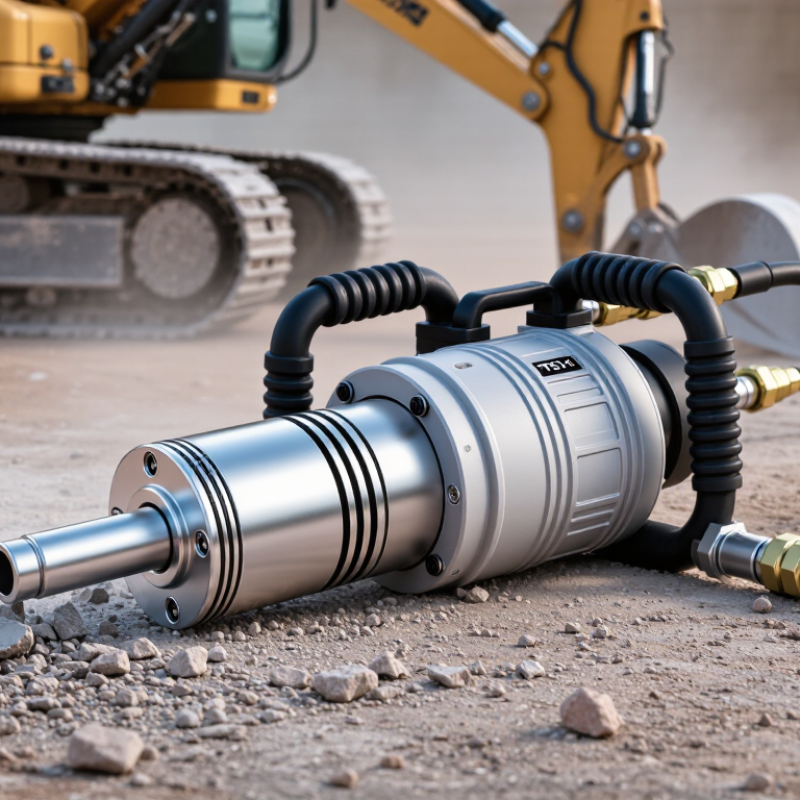
What Is a TS11 Pneumatic Breaker and How Does It Work?

TS11 Pneumatic Breaker: Definition, Design, and Core Components

What Is a TS11 Pneumatic Breaker and How Does It Work?

A TS11 pneumatic breaker is a compact impact tool powered by compressed air. Its designation can vary between suppliers, so technical drawings should confirm the exact specification. The main assembly includes a steel housing, air inlet, control valve, cylinder, piston, tool retainer, and exhaust passages. Inside the cylinder, compressed air moves the piston back and forth. The piston strikes a working tool, such as a chisel or moil point. That repeated impact breaks concrete, masonry, or compacted material. It is simple, but not effortless.

Its design depends on balanced airflow and precise sealing. The valve directs air above and below the piston. The retainer keeps the tool aligned during impact. Lubrication reduces friction, while exhaust ports release used air and heat. The U.S. Department of Energy reports that compressed air can consume 10% to 15% of industrial electricity, and sometimes more. Therefore, leaks and low-pressure operation can increase running costs. Noise and vibration also require attention. The design is effective, yet operator comfort may be underestimated.

Tips: Check hose diameter, air pressure, and coupler condition before use. Drain moisture from the airline. Apply the specified pneumatic oil. Inspect the retainer and tool shank frequently. A worn seal may cause weak impacts and excessive air use. The U.S. National Institute for Occupational Safety and Health recommends controlling noise and vibration exposure, not merely wearing protection. Field testing should guide maintenance intervals, because dusty sites rarely behave like laboratory conditions.


Air-Powered Operation at Typical 90–100 psi Working Pressure

What Is a TS11 Pneumatic Breaker and How Does It Work?

Air-Powered Operation at Typical 90–100 psi Working Pressure

A TS11 pneumatic breaker converts compressed air into repeated impact energy. At roughly 90–100 psi, air enters the internal valve chamber. The valve alternately drives a piston forward and backward. That piston strikes the working tool, producing rapid blows against concrete, masonry, or compacted material. The exhaust air then leaves through the housing, keeping the cycle moving. It sounds simple. It is not always simple in the field.

Pressure alone does not determine performance. The compressor must also supply enough airflow, usually stated in cubic feet per minute by the equipment specification. The U.S. Department of Energy reports that compressed-air leaks can waste 20–30% of compressor output in industrial systems. A damaged hose, restrictive coupling, or clogged filter can therefore reduce breaker force, even when the gauge still shows 100 psi. That detail is often overlooked.

Clean, dry air matters. ISO 8573-1 provides a recognized framework for controlling particles, water, and oil in compressed air. Moisture can accelerate internal wear and contaminate lubrication. Before operation, technicians should inspect connections, confirm the rated pressure, and use the recommended air-line oil. The exact oil volume may vary. Checking the service manual remains safer than relying on habit. In practice, operators sometimes blame the breaker when the real problem is inadequate airflow or poor air preparation.

What Is a TS11 Pneumatic Breaker and How Does It Work? - Air-Powered Operation at Typical 90–100 psi Working Pressure

Data Dimension Typical TS11 Pneumatic Breaker Data Operating or Selection Notes
Tool Type Handheld pneumatic breaker Designed for repeated impact work such as breaking concrete, masonry, asphalt, and compacted material.
Power Source Compressed air An air compressor supplies pressurized air to reciprocate an internal piston and generate impact energy.
Typical Working Pressure 90–100 psi (6.2–6.9 bar) Use the pressure specified for the particular tool configuration. Excessive pressure can increase wear and reduce operating safety.
Operating Principle Reciprocating piston impact Compressed air alternately drives the piston forward and backward. The piston strikes the tool bit, transferring impact energy to the work surface.
Typical Impact Rate Approximately 1,200–1,600 blows per minute Actual impact rate depends on air pressure, air volume, hose size, tool-bit resistance, and internal condition.
Approximate Air Consumption Approximately 35–55 cubic feet per minute (cfm) at rated pressure The compressor should provide sufficient delivered air volume at the tool, not merely the compressor’s advertised maximum output.
Recommended Air Hose Usually 3/4-inch inside diameter for demanding continuous operation A larger hose and short, unrestricted air path help reduce pressure drop. Confirm the connection size before installation.
Air Connection Commonly 3/4-inch nominal inlet on heavy-duty breakers Fittings must be compatible with the tool inlet and rated for the working pressure. The exact connection can vary by configuration.
Tool Shank Common heavy-duty hex shank; size must match the selected model and retainer Use only bits with the correct shank profile and length. A loose or incorrect bit can cause poor performance and a safety hazard.
Lubrication Pneumatic-tool oil supplied through the air inlet Regular lubrication reduces friction, helps protect internal parts, and supports consistent piston movement. Follow the tool’s maintenance instructions.
Main Control Hand-operated throttle or trigger valve The control meters compressed air into the cylinder. Release the control before disconnecting the air hose or changing accessories.
Typical Applications Concrete removal, asphalt repair, masonry work, trenching, and demolition Select the bit shape and operating technique according to the material and job conditions.
Operator Position Two-handed operation in an upright or controlled working posture Maintain a firm grip, stable footing, and a balanced stance. Do not use the tool above shoulder height unless the equipment instructions specifically allow it.
Noise and Vibration High noise and substantial hand-arm vibration are typical Wear hearing protection, eye protection, safety footwear, gloves, and suitable respiratory protection when dust is generated.
Key Performance Factors Air pressure, delivered air volume, hose diameter, lubrication, bit condition, and operator technique Maintaining rated pressure alone is not enough; insufficient air volume or excessive hose restriction can noticeably reduce impact performance.
Basic Pre-Use Check Inspect the hose, couplings, throttle, retainer, tool bit, and housing Do not operate the breaker if parts are cracked, loose, excessively worn, or leaking air.
Specification note: The figures above are typical reference values for an 11-class pneumatic breaker configuration. Exact impact rate, air consumption, inlet size, shank dimensions, weight, and operating limits may differ by manufacturer, model revision, and accessory setup. Always verify the equipment nameplate and operating manual before use.

How the Piston, Valve, and Tool Shank Generate Impact Energy

What Is a TS11 Pneumatic Breaker and How Does It Work?

A TS11 pneumatic breaker uses compressed air to create repeated impact energy. Air enters the cylinder and drives the piston through a controlled stroke. The valve then redirects airflow, sending the piston back for another cycle. This switching action happens rapidly, but its timing must remain stable. Even a small air leak can reduce impact strength and increase operating noise.

The piston transfers its force to the tool shank, which carries the blow into the working bit. The shank must sit squarely in the breaker’s front guide. Poor alignment can cause uneven wear, vibration, and chipped contact surfaces. In practical maintenance, technicians often inspect the shank before blaming the piston. That judgment is not always correct, but it prevents needless internal repairs. Clean air, suitable lubrication, and steady pressure help preserve the valve and piston surfaces. Excess oil can also create problems.

Tips: Check the shank for mushrooming, cracks, or unusual polishing before each shift. Keep the air hose free from sharp bends. Listen for a change in rhythm. A slower, irregular beat may indicate restricted airflow, worn seals, or valve contamination. Do not force a dull tool. It can make the breaker work harder while producing less useful impact.

Air Consumption, Blow Rate, and Industrial Performance Metrics

What Is a TS11 Pneumatic Breaker and How Does It Work?

A TS11 pneumatic breaker uses compressed air to drive a piston against a working tool. Air enters the cylinder, pushes the piston forward, then redirects to reset it. This repeated movement creates the breaker’s impact force. The tool does not produce steady torque. It delivers short, forceful blows for concrete, masonry, scale, and similar materials.

Air consumption and blow rate define much of its industrial performance. Air consumption shows how much compressor capacity the breaker needs during operation. A restricted hose can reduce pressure, even when the compressor appears powerful. Blow rate, measured in blows per minute, indicates working speed. However, a higher rate does not always mean faster production. Impact energy, operator control, material hardness, and tool condition also matter. Measure inlet pressure while the breaker is running, not only at rest. That distinction matters.

Tips: Use the recommended hose diameter and check for leaks before each shift. Record pressure, air use, blow rate, and output during a short test. Field results can differ from catalog figures. Moisture, worn seals, and poor lubrication may change performance noticeably. I would also avoid judging the breaker by sound alone; a loud tool is not automatically a productive tool. Vibration and fatigue deserve attention, although they are sometimes overlooked during routine checks.

Safety Standards, Lubrication, Maintenance, and Service Requirements

A TS11 pneumatic breaker converts compressed air into rapid piston impacts for breaking concrete, masonry, or compacted material. Safe operation begins with the air supply, not the trigger. Use a regulated line within the tool’s rated pressure, and inspect hoses, couplings, retainers, and the working bit before each shift. Damaged fittings can fail suddenly. Follow applicable occupational safety rules and the requirements for handheld pneumatic tools, including hearing, eye, foot, and respiratory protection when dust is present. Keep both hands stable and never point the breaker toward people.

Lubrication protects the piston, cylinder, and internal seals. Add approved pneumatic-tool oil through the air inlet according to the service instructions, then connect the hose and run the breaker briefly. Too little oil increases wear; too much may create oil mist at the exhaust. Drain moisture from the compressor and filter regularly. Water inside the tool is a quiet cause of corrosion. Disconnect the air supply before clearing a jam, changing bits, or opening any housing.

Maintenance should include checking fasteners, vibration, air leakage, trigger movement, and unusual impact sounds. Service frequency depends on duty cycle, dust, pressure, and daily operating hours. In practice, inspection is often skipped when production is urgent. That is a weak habit. A trained technician should replace worn seals and impact components, verify the regulator, and test the tool after assembly. Do not rely on appearance alone; a breaker can look clean while internal wear is already reducing control and safety.

Article Source:

Powder Coat Booths

For those larger-sized parts, or smaller quantity runs, we have 2 independent powder coat booths and ovens. The quality, durability and affordability of today’s powder coating finishes make this the process of choice for world-class companies.

Powder coating advantages over other forms of coating are many. Materials used in the Powder coating process can be metals and non-metals that come in a multitude of thicknesses, textures, colors, etc. Another of Powder coating’s biggest advantages over conventional coatings is its ability to create finishes in many different textures. Powder Coating Booths allow us the ability to apply these advantages to large products.

Wet Paint Line

Tri-State Fabricators runs a full-service conveyor line for painting. Wet painting can provide protection or decoration to many different part styles. From start to finish, every project is easier to undergo random and point-based inspection by our skilled painting team.

Advantages to our Wet Paint Line are these lines start with product prep and ends with a thorough inspection of a high quality finished product. Our ability to complete large and small projects with a superior finish and doing so in a timely and economical fashion. This passes along the savings in production to our customers. When powder coating ins not an option, our Wet Paint Line gets the job done right the first time.

Wet Paint Booths

When the parts get big and heavy we roll-out our custom paint racks and oversize booth. By utilizing our partnerships with all the major paint brands, we can match virtually any color with wet paint.

The advantages of having access to a Wet Paint Booth are many. Large projects of many different shapes can be loaded into the booth. The Wet Paint Booth offers an environment that is much more controlled than a typical parts painting operation.

Not only are they used because of their controlled environment, but they’re are also advantageous when it comes to applying paint to parts that are needed in industries that require specialty coatings such as medical, aerospace, etc.

Military CARC

Our military forces have some very high standards when it comes to the finish of their vehicles and equipment. From the first pre-treatment step to final coat, it takes a great deal of knowledge and experience to protect the men and women of our armed forces. They deserve only the best, and Tri-State Fabricators provides it.

All of our processes are closely monitored by our staff and management teams. Both of which are highly trained in the processes of metal fabrication and finishing. Tri-State Fabricators’ goal is to always fully satisfy each and every customer, including the military. We will always put a 110% into what we do.

Glass-Bead Blasting

Abrasive media blasting is an excellent way to remove old paint, rust, and increase the paint/powder adhesion. Glass beads produce a much smoother and brighter finish than angular abrasives; leaving the part clean yet without any dimensional change. Chemically inert and environmentally friendly, we can recycle our beads approximately 30 times; making them a more preferred method of metal cleaning or surface finishing.

Advantages to Glass Bead Blasting are many. Glass bead blast media is used when a project is needing rough surfaces need to become smooth for applications of coatings such as paint. It is typically used to clean paint and rust from a product surface without deforming the surface it is being used on. Overall, compared to many other blasting media, Glass Bead Blasting is a very economical choice and those savings are always passed on to our customers.

Part Washing

Tri-State Fabricators utilize a zinc phosphate wash to clean and etch the material to ensure the best paint adhesion possible. The unique design of our 3-stage wash system does the work like a 5-stage. From Cleaning and rinsing to conversion coating and post-treatment, Our Part Washing process is a complete service and works throughout the fabrication service and the finishing service.

Along with the previously mentioned benefits, Curing is a vital chemical reaction that leaves the product finish hard and relatively safe from mild abrasion and aggressive corrosion. This process can be done in more than one way; ambient air-dry or in curing ovens at temps that exceed 240°.

Burn-Off Oven

From fixing paint mistakes (someone else’s of course) to simply cleaning our paint line hooks, our burn-off oven is put to good use. After a quick burn-off, a little clean up, and a fresh coat of paint, your parts will look better than new.

Why does our Burn-Off Oven work so well? Because super heating the air around parts turns the materials into ashes. From paint and powder coatings to rubber and machining oils, high temps do the job without degrading the integrity of the part.

Masking

Masking is a vital part of producing high quality products. We have die-cut masking patterns to protect machined surfaces as well as a wide range of plugs and caps to protect threaded holes and bolts. We provide permanent and temporary masking.

Masking allows the selected sections of a product to be protected from a fabrication or finishing service. This can be with both chemicals when etching and tapes, paints when only finishing just a section of the product. Masking is great in aiding the customization process of a project.

Screen Printing

Screen printing is a photographic process that transfers artwork onto a porous nylon screen which allows colored ink to flow through the screen and be deposited on an aluminum or plastic component. We can generally have just about any design created onto a screen for your parts.

Some of the advantages of Screen Printing are, brand recognition for your business displaying on your products, assembly instructions, product warnings/hazards, etc. Tri-State Fabricators produces Screen Printing of the highest quality so you know it’s durable.

Metal Finishing

Metal Finishing is the art of treating the exterior portion of product, often metal but can also be made of other materials, so that the surface is clean and free of any debris. Then the process of applying coats or either paint of powder coat takes place. This coating process improves the quality of the product in both appearance and resistance to wear and corrosion.

Tri-State Fabricators, Inc., understands that a project typically isn’t complete until a high-quality finish has been added to your product. This is why our painting and powder coating teams continuously inspect the products throughout the Metal Finishing process.
