What Is the Tyre Pyrolysis Plant Price in China?
What Is the Tyre Pyrolysis Plant Price in China? Buyers rarely find one reliable figure online. Prices vary sharply.
The Tyre Pyrolysis Plant Price depends on processing capacity, reactor design, automation, and environmental equipment. A small batch plant may require a very different budget from a continuous production line. The quotation should include more than the reactor itself. Ask about feeding systems, condensers, cooling towers, oil storage, carbon black handling, installation, shipping, and commissioning.
Industry consultant Michael Blumenthal has stated, “There is no single price for a pyrolysis plant; the final figure depends on capacity, equipment, and local conditions.” This practical view remains important when comparing Chinese suppliers. Two plants may look similar in photographs, yet differ significantly in steel thickness, insulation, control systems, and emission-management details.
A serious evaluation also examines output quality. One plant may produce more fuel oil, while another offers stronger carbon black recovery. Local electricity costs, labor, land preparation, and after-sales support can change the final investment. These details are easy to overlook.
The cheapest quotation is not always the best value. It may exclude installation or essential safety systems. That is where many comparisons become incomplete.
This article examines typical Chinese pricing factors, supplier differences, and hidden expenses. It also considers practical questions about capacity, performance, maintenance, and compliance. Some estimates remain uncertain without a technical proposal. That uncertainty deserves honest attention before signing any purchase agreement.
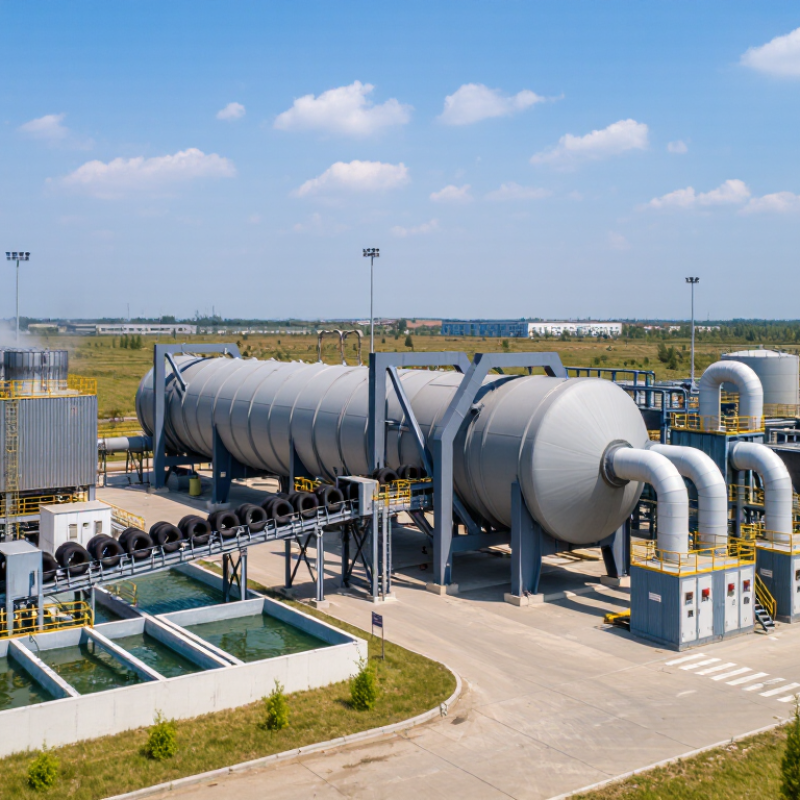
What Determines Tyre Pyrolysis Plant Prices in China?
What Is the Tyre Pyrolysis Plant Price in China?
What Determines Tyre Pyrolysis Plant Prices in China?
In China, tyre pyrolysis plant prices commonly range from tens of thousands to several hundred thousand US dollars. The figure is not fixed. A small batch unit may cost far less than a continuous line handling 20 to 30 tonnes daily. Buyers should compare complete project costs, not only the reactor quotation. A low initial price can hide missing equipment.
Capacity is the strongest price driver. Reactor size, feeding method, discharge system, and operating cycle affect steel consumption and labor needs. Heating design also matters. A system using recovered process gas may reduce fuel demand, but it needs reliable controls and safety devices. Condensers, oil tanks, carbon handling, and gas treatment add measurable cost. Automation raises the purchase price, yet it can reduce manual work and operating variation. More automation is not always better for every site.
Material quality deserves close inspection. Reactor thickness, welding standards, seals, insulation, and corrosion resistance influence service life. Installation, commissioning, spare parts, training, inland transport, and export shipping may be quoted separately. Environmental control equipment can substantially change the final budget. Ask for a line-by-line quotation, production records, and test conditions using comparable feedstock. In practice, promised output may differ from field results. That gap deserves careful questions. A technically sound quotation should state capacity, energy use, maintenance scope, warranty terms, and expected product quality in writing.
How Tyre Pyrolysis Plant Costs Vary by Capacity and Technology
What Is the Tyre Pyrolysis Plant Price in China?
How Tyre Pyrolysis Plant Costs Vary by Capacity and Technology
In China, tyre pyrolysis plant prices usually depend on daily capacity, reactor design, and emission-control equipment. A small batch plant processing five tons daily may cost about 150,000 to 300,000 US dollars. This estimate often excludes shipping, installation, civil work, and local approvals. A ten-ton system commonly ranges from 300,000 to 600,000 dollars. Larger projects can exceed 800,000 dollars.
Capacity changes more than the reactor size. It also affects conveyors, condensers, cooling towers, storage tanks, and electrical systems. A batch plant needs manual loading and unloading between cycles. Its initial price is lower, but labor costs may rise. A semi-continuous system costs more and provides steadier production. Continuous technology requires stronger feeding equipment, better automation, and more precise temperature control. It may suit larger facilities with stable tyre supplies.
Technology details deserve careful inspection. Ask whether the quoted price includes gas cleaning, pressure protection, fire safety, and product-quality monitoring. These items are easy to overlook. A low quotation can become expensive after upgrades.
The exact output also varies with tyre composition, moisture, and operating skill. Independent factory visits, equipment testing, and written performance guarantees improve purchasing confidence. Some buyers focus too heavily on capacity. That is a mistake. Real operating costs, maintenance access, and environmental compliance can matter more than the headline price.
What Equipment and Features Are Included in the Price?
What Is the Tyre Pyrolysis Plant Price in China?
What Equipment and Features Are Included in the Price?
The price of a tyre pyrolysis plant in China depends on capacity, automation, heating design, and environmental controls. A basic quotation may cover only the reactor and condenser. That can be misleading.
A complete plant usually includes a tyre shredder, feeding conveyor, reactor, heating system, and oil-gas separation unit. Condensers cool vapour into liquid oil. Storage tanks receive the oil safely. A non-condensable gas line may return usable gas to the heating system. The process also needs a carbon black discharge system and cooling equipment.
Automation changes the equipment package. A programmable control cabinet can monitor temperature, pressure, motor status, and emergency shutdown signals. Some systems include automatic feeding and continuous discharge. Others require manual handling. Dust collectors and sealed transfer points help control workplace emissions. These features may raise the initial price, but they can reduce labour and operating risks.
Not every quotation means the same thing. Experienced buyers request a detailed equipment list, power requirements, installation scope, and spare-parts schedule. They should also verify material thickness, insulation, condenser area, and safety instrumentation. A low price can exclude freight, installation, training, or pollution-control equipment. That omission matters.
Actual performance depends on tyre size, moisture, operating temperature, and maintenance. Even a well-designed plant may need adjustments after commissioning. I would avoid judging value from capacity alone. A realistic comparison includes energy use, labour needs, expected product quality, and local compliance requirements.
Which Additional Expenses Affect the Total Investment?
What Is the Tyre Pyrolysis Plant Price in China?
Which Additional Expenses Affect the Total Investment?
A tyre pyrolysis plant in China may cost about USD 300,000 to USD 2 million, depending on capacity, automation, and emission controls. The equipment price is only the visible part. Installation can add 10% to 20%, especially when foundations, storage tanks, wiring, and fire-safety systems are excluded. Freight, insurance, import duties, and local taxes also change the final invoice. These costs are often underestimated.
Feedstock preparation needs attention. Shredders, magnetic separators, and conveyors may require another USD 100,000 to USD 500,000. The European Tyre and Rubber Manufacturers’ Association reported about 3.4 million tonnes of end-of-life tyres collected in Europe in 2022. This volume shows the resource potential, but collection costs remain highly local. Labor, electricity, cooling water, catalysts, laboratory testing, and routine maintenance create continuing expenses. Air-pollution monitoring and residue handling may require further investment under local standards. A cheap quotation can become expensive later. I have seen budgets fail because working capital was ignored.
Tips: Request a total-cost-of-ownership sheet, not only an equipment quote. Ask for installation boundaries, spare parts, warranty limits, and emission-testing costs. Keep six to twelve months of operating cash available. The estimate will still be imperfect, but it becomes easier to challenge and improve.
How to Compare Chinese Tyre Pyrolysis Plant Suppliers and Quotes?
What Is the Tyre Pyrolysis Plant Price in China?
Chinese tyre pyrolysis plant prices vary widely because “plant” can mean different equipment packages. A small batch unit may cost far less than a continuous system. Capacity, reactor steel thickness, heating method, automation, and emission controls affect the quotation. Freight, installation, spare parts, and taxes may be excluded.
Compare suppliers on the same technical basis. Send each supplier identical details, including tyre input, daily capacity, operating hours, and preferred product output. Ask for a complete equipment list. Check whether condensers, gas treatment, cooling systems, and oil storage tanks are included. Request factory inspection records, material certificates, performance data, and a clear warranty. Very low prices deserve careful questions.
Look beyond the headline number.
A reliable supplier should explain the process clearly. They should provide layout drawings, utility requirements, maintenance schedules, and safe operating procedures. Ask for recent customer references, but verify them independently. Confirm delivery terms, commissioning support, training, and response times for replacement parts. Also review local environmental and waste-management requirements before signing. A quote can appear attractive while hiding installation costs or weak after-sales support. Even experienced buyers can overlook small exclusions. I would compare the total ownership cost, not only the purchase price, and record every assumption in the contract.





