
A Liquid Nitrogen Dosing System adds a controlled amount of liquid nitrogen to products, containers, or process lines. The nitrogen rapidly expands into gas, creating pressure or replacing unwanted oxygen. This principle supports packaging, food preservation, beverage production, and selected industrial applications. It also demands careful engineering.
The system usually includes a cryogenic storage tank, insulated pipework, a dosing valve, sensors, and a programmable control unit. During operation, the valve releases a measured dose at a defined point. Timing matters. Too little nitrogen may provide insufficient pressure. Too much can deform containers or create unnecessary production risks. Operators should verify dose volume, temperature, line condition, and container strength before routine use.
Reliable performance depends on more than accurate equipment. Regular inspections, trained personnel, ventilation, and appropriate protective procedures remain essential because liquid nitrogen can cause severe cold-contact injuries and oxygen displacement. Equipment specifications should match the product, packaging material, production speed, and site conditions. Small changes in nozzle position can affect results. It is easy to overlook that detail.
No single configuration fits every facility. A practical assessment should compare laboratory tests with real production data, including start-up losses and dose variation. Measurements may expose assumptions that looked reasonable on paper. That is useful. A well-designed Liquid Nitrogen Dosing System improves consistency, but it still requires monitoring, maintenance, and thoughtful adjustment throughout its service life.
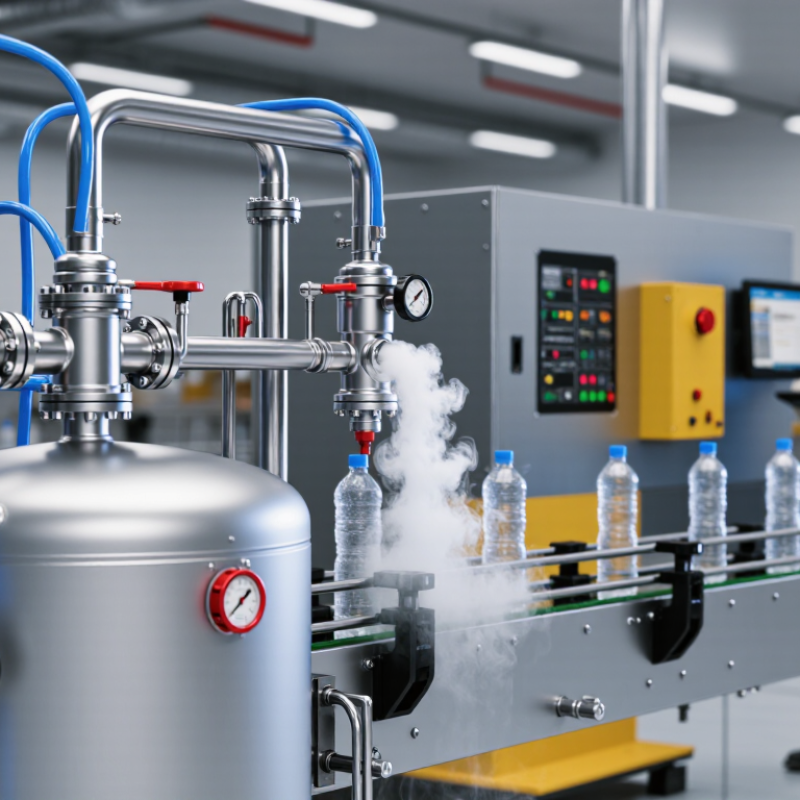
A liquid nitrogen dosing system meters cryogenic nitrogen into containers, usually before sealing. It uses a storage vessel, insulated piping, precision valves, and dosing controls. The liquid nitrogen quickly expands into gas. This creates internal pressure and can improve container rigidity. It may also reduce oxygen exposure in selected food and beverage packaging applications. The dose must match container size, material strength, and filling speed. Too little nitrogen may provide weak pressure support. Too much can deform containers or create unsafe handling conditions.
According to Grand View Research’s 2024 industrial gases analysis, the global industrial gases market reached about USD 96 billion in 2023. The report also expects continued growth through 2030. This expansion supports wider investment in cryogenic handling and automated dosing equipment. However, market growth does not remove operational risks. The U.S. Occupational Safety and Health Administration identifies oxygen displacement as a major hazard in nitrogen-use areas. Ventilation, oxygen monitoring, pressure relief, and operator training remain essential.
In practical facilities, performance depends on details. A warm dosing nozzle can cause inconsistent drops. Product splashes can freeze around the valve. Sensors may also drift during long production runs. Theory looks cleaner than the factory floor. Engineers should validate dose weight, line speed, container strength, and residual oxygen levels together. Independent testing and documented maintenance provide stronger evidence than supplier claims alone. The system is useful, but precision is never automatic.
A liquid nitrogen dosing system injects a controlled quantity of liquid nitrogen into a container before sealing. As the nitrogen vaporizes, it creates nitrogen gas for inerting, cooling, or pressure control. The chart shows the approximate gas volume generated by 1 mL of liquid nitrogen at different temperatures.
Values are calculated approximations at 1 atmosphere using liquid nitrogen density of approximately 0.808 g/mL and ideal-gas behavior. Actual results vary with pressure, temperature, dosing accuracy, and system design.
A liquid nitrogen dosing system adds a controlled amount of cryogenic liquid to a container before sealing. It is commonly used for beverages, food, and other temperature-sensitive products. Inside the system, liquid nitrogen stays in an insulated supply vessel. A pump or regulated pressure pushes it through a protected line. A controller opens a dosing valve for a precise time. The liquid enters through a nozzle and quickly changes into nitrogen gas.
As the nitrogen expands, it can displace oxygen and create pressure inside the container. This process may also improve package rigidity during storage and transport. The correct dose depends on container size, product temperature, closure timing, and production speed. A container moving too quickly can receive an uneven dose. That small error matters.
In practical operation, technicians check nozzle alignment, valve response, and visible frost around the line. Excessive frost may indicate heat gain, restricted flow, or poor insulation. Oxygen monitoring and suitable ventilation are essential because nitrogen gas can reduce breathable oxygen in enclosed areas. Pressure relief devices also help prevent dangerous pressure buildup. A setting that works on one filling line may fail on another. Room temperature and container material can change the result. Sometimes, the first adjustment is wrong. Careful testing, recorded measurements, and regular equipment inspections make the process more reliable.
A liquid nitrogen dosing system adds measured amounts of cryogenic nitrogen to products or containers. Its main components must work together under extreme cold and changing pressure. The storage tank holds the liquid nitrogen and uses vacuum insulation to reduce heat transfer. A pressure-building circuit maintains usable pressure during operation. Without stable pressure, the dose can become inconsistent.
The dosing assembly usually includes an insulated transfer line, a control valve, and a calibrated injection nozzle. The valve opens for a controlled period, while the nozzle delivers nitrogen into each container or process line. Timing matters. A programmable controller coordinates the valve, conveyor, and production signal. Level sensors and pressure transmitters provide real-time operating data. These instruments help operators detect low supply, blocked lines, or abnormal pressure before dosing quality changes.
Safety equipment is equally important. Relief devices protect the tank and piping from excessive pressure. Shutoff valves isolate sections during maintenance. Ventilation and oxygen monitoring are essential because evaporated nitrogen can displace breathable air in enclosed spaces. In practical inspections, small insulation defects often deserve more attention than expected. They can create frost, waste nitrogen, and confuse temperature readings. Operators should also verify nozzle alignment and clean contact surfaces regularly. A system may appear simple, but minor timing or sensor errors can affect fill weight, product temperature, and equipment reliability. Calibration records should be reviewed, not merely filed.
| System Component | Primary Function | Typical Data or Range | Common Materials | Key Design Considerations |
|---|---|---|---|---|
| Liquid Nitrogen Storage Tank | Stores liquid nitrogen and maintains its cryogenic temperature before dosing. | Common capacity: 50–5,000 L; liquid nitrogen boiling point: approximately −196 °C at atmospheric pressure. | Stainless steel inner vessel with an insulated outer jacket. | Vacuum or multilayer insulation helps reduce heat ingress and product loss through evaporation. |
| Vacuum-Insulated Transfer Line | Transfers liquid nitrogen from the storage vessel to the dosing nozzle while limiting heat gain. | Typical nominal size: 10–50 mm; operating temperature near −196 °C. | Cryogenic-grade stainless steel with vacuum insulation. | The line should be properly supported, protected from impact, and designed to accommodate thermal contraction. |
| Pressure-Building Circuit | Raises and stabilizes tank pressure to provide a consistent liquid flow to the dosing equipment. | Typical controlled pressure: approximately 0.2–2.0 barg, depending on the installation. | Stainless steel tubing, valves, and pressure-rated fittings. | Pressure control must remain within the storage vessel and downstream equipment ratings. |
| Cryogenic Control Valve | Starts, stops, or regulates liquid nitrogen flow during each dosing cycle. | Response time commonly measured in milliseconds to seconds; valve sizing depends on required flow. | Cryogenic stainless steel with compatible seals. | The valve must be suitable for cryogenic service and compatible with the required duty cycle. |
| Dosing Nozzle or Injector | Delivers a measured quantity of liquid nitrogen into a container, package, process vessel, or product stream. | Dose quantity may range from a few grams to several hundred grams per cycle, depending on the application. | Stainless steel or other materials rated for cryogenic temperatures. | Nozzle position, spray pattern, and distance from the target affect dosing accuracy and nitrogen losses. |
| Flow Measurement Device | Measures or verifies liquid nitrogen flow to support repeatable dosing. | Measurement may be based on mass, volume, valve-open time, or calibrated pulse output. | Cryogenic-compatible stainless steel and electronic components located outside cold zones where possible. | Calibration should account for liquid nitrogen density, pressure, temperature, and flashing during discharge. |
| Pressure and Level Sensors | Monitor storage conditions and provide signals for control, alarms, and low-level protection. | Typical monitored variables: tank pressure, liquid level, line pressure, and low-level status. | Cryogenic-rated sensing elements with stainless steel wetted parts. | Sensors should be selected for the expected temperature, pressure range, accuracy, and signal type. |
| Control Panel or PLC | Coordinates dosing timing, container detection, valve operation, alarms, and production-line communication. | Typical control signals: 24 V DC; adjustable dose timing may be in milliseconds or seconds. | Industrial electrical enclosure with stainless steel or coated metal construction. | Interlocks should prevent dosing when a container is absent, pressure is abnormal, or ventilation is inadequate. |
| Vent and Pressure-Relief Devices | Safely releases excess gas pressure and directs nitrogen vapor away from occupied areas. | Relief settings are determined by the vessel and piping design code; vent capacity must handle boil-off and abnormal conditions. | Stainless steel or other approved cryogenic-service materials. | Vent outlets should discharge to a safe location and must not be blocked or isolated without engineered protection. |
| Oxygen Monitoring and Ventilation | Detects oxygen depletion caused by released nitrogen gas and maintains safe workplace air conditions. | Normal atmospheric oxygen is approximately 20.9% by volume; alarm limits must follow applicable safety requirements. | Fixed oxygen monitor, audible/visual alarm, and mechanically assisted ventilation where required. | Liquid nitrogen can rapidly vaporize; enclosed or poorly ventilated areas require a documented safety assessment. |
Note: Actual capacities, flow rates, pressure settings, dose weights, and safety limits must be selected according to the process requirements, equipment certification, applicable codes, and site risk assessment.
Liquid nitrogen dosing systems are used where packaging needs controlled pressure, oxygen reduction, or improved product protection. A measured drop of liquid nitrogen enters a container before sealing. It quickly vaporizes and expands, creating internal pressure. This process can strengthen lightweight packaging without adding thicker material.
Beverage manufacturers use these systems for water, juice, dairy drinks, and other non-carbonated products. The dose helps rigid bottles resist crushing during storage and transport. Food processors also apply nitrogen dosing to cans, jars, and pouches containing sauces, oils, snacks, or prepared foods. In some packages, nitrogen reduces the oxygen level above the product. That may help protect flavor, color, and freshness.
Pharmaceutical and medical packaging can require nitrogen dosing under tightly controlled conditions. The system must support accurate dosing, clean equipment, and documented process checks. Operators monitor container size, filling speed, pressure, and sealing time. A small timing error can change the final pressure significantly. It is not a magic fix. Product temperature and container design still matter. In practice, production lines are rarely perfect, so regular calibration remains essential. Some facilities also use sensors to detect missed doses or unstable pressure. These checks improve reliability, although they cannot replace trained supervision. The exact application depends on the package, product sensitivity, and required storage life.
A liquid nitrogen dosing system places a controlled dose of liquid nitrogen inside a container before sealing. A measured drop. The liquid rapidly vaporizes and expands, creating internal pressure. This pressure can improve container rigidity and reduce paneling during storage. It may also lower oxygen exposure, helping protect certain products from oxidation. However, results depend on dose accuracy, container design, closure timing, and storage conditions. Nitrogen is not a sterilizing treatment.
The clearest benefit is process consistency. A calibrated dosing valve can deliver repeatable amounts at high production speeds. This may reduce waste, improve package appearance, and support longer quality retention. It can also provide cooling during filling, which helps some temperature-sensitive products. In practical operations, technicians should compare pressure readings with actual package performance. Small changes matter. Ambient temperature, line speed, and container material can alter the outcome. An apparently efficient setting may still damage lightweight packaging.
Safety requires respect for cryogenic temperatures and expanding gas. Liquid nitrogen can cause severe cold burns during splashes or contact. Its vapor may displace oxygen in enclosed areas, creating a dangerous atmosphere without obvious warning. Good ventilation, oxygen monitoring, insulated gloves, face protection, and proper footwear are essential. Containers need pressure-rated designs and functioning relief controls. Operators should inspect hoses, valves, sensors, and fittings before use. Cold vapor may roll across the floor. That detail is easy to overlook. No system is foolproof, so training, documented procedures, and regular maintenance should guide every dosing operation.


For those larger-sized parts, or smaller quantity runs, we have 2 independent powder coat booths and ovens. The quality, durability and affordability of today’s powder coating finishes make this the process of choice for world-class companies.
Powder coating advantages over other forms of coating are many. Materials used in the Powder coating process can be metals and non-metals that come in a multitude of thicknesses, textures, colors, etc. Another of Powder coating’s biggest advantages over conventional coatings is its ability to create finishes in many different textures. Powder Coating Booths allow us the ability to apply these advantages to large products.
Tri-State Fabricators runs a full-service conveyor line for painting. Wet painting can provide protection or decoration to many different part styles. From start to finish, every project is easier to undergo random and point-based inspection by our skilled painting team.
Advantages to our Wet Paint Line are these lines start with product prep and ends with a thorough inspection of a high quality finished product. Our ability to complete large and small projects with a superior finish and doing so in a timely and economical fashion. This passes along the savings in production to our customers. When powder coating ins not an option, our Wet Paint Line gets the job done right the first time.
When the parts get big and heavy we roll-out our custom paint racks and oversize booth. By utilizing our partnerships with all the major paint brands, we can match virtually any color with wet paint.
The advantages of having access to a Wet Paint Booth are many. Large projects of many different shapes can be loaded into the booth. The Wet Paint Booth offers an environment that is much more controlled than a typical parts painting operation.
Not only are they used because of their controlled environment, but they’re are also advantageous when it comes to applying paint to parts that are needed in industries that require specialty coatings such as medical, aerospace, etc.
Our military forces have some very high standards when it comes to the finish of their vehicles and equipment. From the first pre-treatment step to final coat, it takes a great deal of knowledge and experience to protect the men and women of our armed forces. They deserve only the best, and Tri-State Fabricators provides it.
All of our processes are closely monitored by our staff and management teams. Both of which are highly trained in the processes of metal fabrication and finishing. Tri-State Fabricators’ goal is to always fully satisfy each and every customer, including the military. We will always put a 110% into what we do.
Abrasive media blasting is an excellent way to remove old paint, rust, and increase the paint/powder adhesion. Glass beads produce a much smoother and brighter finish than angular abrasives; leaving the part clean yet without any dimensional change. Chemically inert and environmentally friendly, we can recycle our beads approximately 30 times; making them a more preferred method of metal cleaning or surface finishing.
Advantages to Glass Bead Blasting are many. Glass bead blast media is used when a project is needing rough surfaces need to become smooth for applications of coatings such as paint. It is typically used to clean paint and rust from a product surface without deforming the surface it is being used on. Overall, compared to many other blasting media, Glass Bead Blasting is a very economical choice and those savings are always passed on to our customers.
Tri-State Fabricators utilize a zinc phosphate wash to clean and etch the material to ensure the best paint adhesion possible. The unique design of our 3-stage wash system does the work like a 5-stage. From Cleaning and rinsing to conversion coating and post-treatment, Our Part Washing process is a complete service and works throughout the fabrication service and the finishing service.
Along with the previously mentioned benefits, Curing is a vital chemical reaction that leaves the product finish hard and relatively safe from mild abrasion and aggressive corrosion. This process can be done in more than one way; ambient air-dry or in curing ovens at temps that exceed 240°.
From fixing paint mistakes (someone else’s of course) to simply cleaning our paint line hooks, our burn-off oven is put to good use. After a quick burn-off, a little clean up, and a fresh coat of paint, your parts will look better than new.
Why does our Burn-Off Oven work so well? Because super heating the air around parts turns the materials into ashes. From paint and powder coatings to rubber and machining oils, high temps do the job without degrading the integrity of the part.
Masking is a vital part of producing high quality products. We have die-cut masking patterns to protect machined surfaces as well as a wide range of plugs and caps to protect threaded holes and bolts. We provide permanent and temporary masking.
Masking allows the selected sections of a product to be protected from a fabrication or finishing service. This can be with both chemicals when etching and tapes, paints when only finishing just a section of the product. Masking is great in aiding the customization process of a project.
Screen printing is a photographic process that transfers artwork onto a porous nylon screen which allows colored ink to flow through the screen and be deposited on an aluminum or plastic component. We can generally have just about any design created onto a screen for your parts.
Some of the advantages of Screen Printing are, brand recognition for your business displaying on your products, assembly instructions, product warnings/hazards, etc. Tri-State Fabricators produces Screen Printing of the highest quality so you know it’s durable.
Metal Finishing is the art of treating the exterior portion of product, often metal but can also be made of other materials, so that the surface is clean and free of any debris. Then the process of applying coats or either paint of powder coat takes place. This coating process improves the quality of the product in both appearance and resistance to wear and corrosion.
Tri-State Fabricators, Inc., understands that a project typically isn’t complete until a high-quality finish has been added to your product. This is why our painting and powder coating teams continuously inspect the products throughout the Metal Finishing process.