


Choosing the top Oil Tank manufacturers requires more than comparing production volume or website claims. A dependable supplier must demonstrate engineering depth, documented quality systems, and consistent field performance. Storage tanks face changing pressures, temperature cycles, corrosion, settlement, and demanding maintenance conditions. Their performance begins with design details, but it continues through fabrication, installation, inspection, and repair.
Dr. George E. Totten, a respected authority in industrial materials and corrosion control, has stated, “Corrosion control begins with understanding the environment.” This principle matters when evaluating Oil Tank manufacturers. A tank designed for clean water may not suit crude oil, diesel, chemicals, or heated products. Buyers should examine steel specifications, welding procedures, coating systems, leak detection, foundation design, and compliance with standards such as API 650 and API 653. Small details matter. A poorly protected roof seam can become an expensive weakness.
This guide compares leading manufacturers through practical criteria, including product range, customization, inspection support, delivery capability, and lifecycle value. Companies such as CST Industries, Tank Connection, Permastore, and other established suppliers may excel in different applications. However, no manufacturer is automatically the best for every project. Regional service, climate, storage medium, and maintenance resources can change the result. That is easy to overlook.
The comparison also recognizes an uncomfortable reality: published rankings are rarely perfect. Some manufacturers disclose more evidence than others. Therefore, readers should verify certifications, project references, warranty terms, and inspection records before making a final decision. The strongest Oil Tank supplier is not merely the one with the largest catalog. It is the one that fits the site, the product, and the long-term operating plan.
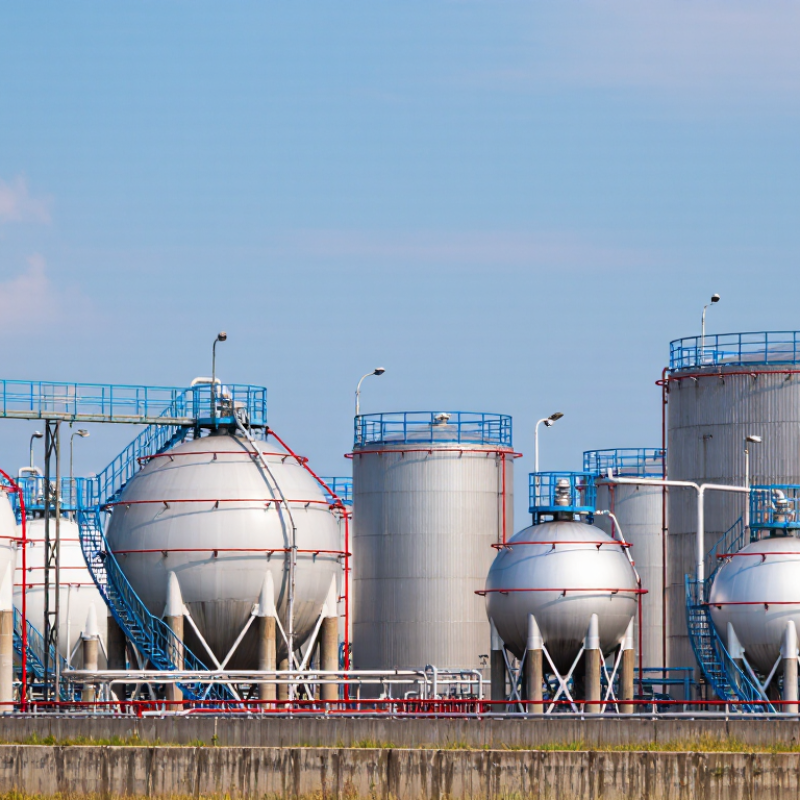
What Are the Top Oil Tank Manufacturers?
Oil tank manufacturing begins with purpose, not appearance. Crude oil storage needs large welded tanks, while fuel distribution often uses smaller aboveground units. Double-wall designs add secondary containment. Underground tanks save surface space but demand careful corrosion monitoring. The U.S. Energy Information Administration’s Annual Energy Outlook shows continuing demand for liquid fuels across transport and industry. That demand keeps storage capacity important, even as energy systems change.
A capable manufacturer should understand API 650 for welded atmospheric tanks and API 653 for inspection, repair, and alteration. Smaller shop-built tanks may follow UL 142 requirements. NFPA 30 also guides flammable and combustible liquid storage. These standards affect steel selection, weld quality, venting, foundations, and leak control. They are not decorative certificates. They shape daily safety.
Material traceability matters. So does documented pressure testing. The American Petroleum Institute emphasizes inspection and maintenance throughout a tank’s service life. A reliable supplier should provide welding records, coating specifications, dimensional checks, and clear inspection access. It should also calculate wind, seismic, thermal, and settlement loads for the site. Bigger is not always better. That assumption can fail when foundations, access, or future inspection are overlooked. In practice, the strongest manufacturers combine engineering judgment with independent testing. Even then, specifications deserve a second review.
| Tank Category | Typical Construction | Common Capacity Range | Typical Oil Products | Primary Manufacturing Features | Commonly Applicable Standards | Typical Installation | Key Safety or Quality Requirements |
|---|---|---|---|---|---|---|---|
| Aboveground Atmospheric Storage Tank | Welded carbon steel with a fixed or floating roof | From several thousand litres to more than 100,000 m³, depending on design and service | Crude oil, diesel, fuel oil, and refined petroleum products | Rolled steel shell courses, welded bottoms, roof structures, nozzles, vents, and access platforms | API 650; applicable fire and environmental regulations | Oil terminals, refineries, production sites, and distribution facilities | Foundation settlement control, weld inspection, spill containment, grounding, and overfill protection |
| Low-Pressure Storage Tank | Welded steel tank designed for controlled internal pressure | Project-specific; commonly used for large-volume industrial storage | Volatile petroleum liquids and products requiring vapor control | Reinforced shell and roof, pressure-vacuum protection, and engineered vapor-management systems | API 620; related process, fire, and environmental requirements | Refineries, petrochemical plants, and bulk storage terminals | Pressure relief devices, vacuum protection, controlled welding procedures, and inspection records |
| Shop-Fabricated Aboveground Tank | Factory-welded carbon steel or stainless steel tank | Commonly up to approximately 190,000 litres for standardized aboveground designs | Diesel, heating oil, lubricants, and selected petroleum products | Controlled factory fabrication, standardized fittings, leak testing, and easier transport to site | UL 142 where the design and jurisdiction require this listing; local fire codes also apply | Fuel stations, commercial buildings, farms, workshops, and backup-power facilities | Secondary containment, emergency venting, inspection of seams, and compliant dispensing equipment |
| Underground Storage Tank | Steel with corrosion protection or reinforced fiberglass-reinforced plastic | Typically several thousand to more than 100,000 litres per tank | Gasoline, diesel, aviation fuel, and other regulated petroleum products | Corrosion-resistant exterior, leak-detection systems, compatible piping, and anchoring where required | Local underground-storage regulations; installation requirements vary by jurisdiction | Service stations, airports, fleet facilities, and industrial sites | Release detection, corrosion control, sump inspection, overfill prevention, and groundwater protection |
| Double-Wall Storage Tank | Primary steel or composite tank enclosed by a secondary wall | Available in both shop-fabricated and larger engineered configurations | Diesel, lubricating oil, heating oil, and regulated fuels | Interstitial monitoring space between the primary tank and outer containment wall | Applicable fire, environmental, and tank-construction standards for the installation | Commercial, industrial, transportation, and fuel-distribution sites | Continuous or periodic interstitial leak monitoring, protected fittings, and documented integrity testing |
| Horizontal Cylindrical Tank | Welded steel or fiberglass-reinforced plastic with saddle supports | Commonly from approximately 1,000 to 100,000 litres | Diesel, fuel oil, lubricants, and process oils | Compact footprint, saddle supports, manways, vents, level gauges, and optional internal coatings | UL 142 or other locally accepted construction standards, when applicable | Small industrial sites, agricultural facilities, vehicle fleets, and heating systems | Support-load verification, anchoring, corrosion protection, safe fill connections, and spill control |
| Vertical Fixed-Roof Tank | Welded steel shell with cone, dome, or other fixed roof | From small industrial tanks to very large terminal tanks | Diesel, fuel oil, crude oil, and lower-volatility petroleum products | Efficient land use, shell stiffening, roof framing, vents, stairways, and roof-mounted instrumentation | API 650 is widely used for welded atmospheric tanks | Refineries, terminals, power plants, and manufacturing facilities | Vent sizing, roof drainage, corrosion allowance, settlement monitoring, and emergency response planning |
| Floating-Roof Tank | Welded steel shell with an internal or external floating roof | Generally selected for medium- to very-large-volume storage | Crude oil, gasoline blend components, and other volatile petroleum liquids | Floating roof, rim seals, roof drains, guide systems, and vapor-loss reduction features | API 650 and applicable air-emissions and fire-safety regulations | Refineries, oil terminals, and bulk petroleum storage facilities | Seal inspection, roof-drain maintenance, grounding, stormwater management, and overfill protection |
| Stainless-Steel Oil Tank | Welded stainless steel selected for corrosion or hygiene requirements | Project-specific, from small process vessels to industrial storage tanks | Specialty oils, chemicals, edible oils, and corrosive or contamination-sensitive fluids | Controlled material selection, clean welding, passivation where required, and product-compatible fittings | Applicable pressure, process, food, fire, and environmental standards based on service | Food-processing plants, chemical facilities, laboratories, and specialty manufacturing sites | Material compatibility, weld cleanliness, surface-finish control, traceability, and product-contact approval where required |
| Flexible or Bladder Storage Tank | Flexible coated fabric or elastomeric membrane supported by a containment system | Commonly used for temporary or moderate-volume storage | Selected oils and fuels compatible with the membrane material | Foldable construction, rapid deployment, low foundation demand, and chemical-resistant liners | Manufacturer design specifications plus applicable fire, environmental, and site regulations | Temporary projects, remote locations, emergency response, and limited-access sites | Membrane compatibility, abrasion protection, temperature limits, secondary containment, and routine leak checks |
Evaluating the world’s leading oil tank manufacturers requires more than comparing prices. Start with proven field experience. Ask how many similar tanks they have delivered, in what climates, and for which storage volumes. Request project records, inspection reports, and references from operators with comparable conditions. A polished brochure is not evidence.
Technical capability matters at every stage. Review steel grades, welding procedures, coating systems, roof design, and leak detection methods. Confirm that engineers understand thermal expansion, wind loads, corrosion risks, and foundation movement. Manufacturing should follow recognized international standards and local regulatory requirements. Independent inspections can verify weld quality, material traceability, dimensional accuracy, and coating thickness. Small details matter.
Support also separates strong manufacturers from average suppliers. Evaluate installation guidance, spare parts, training, emergency response, and inspection planning. Ask how defects are handled after commissioning. Transparent answers build confidence. Vague promises do not. A low quotation may look attractive, but transport, site preparation, maintenance, and downtime can change the real cost. I have learned that the cheapest tank is rarely the simplest choice. Still, supplier rankings can be imperfect because public data is often incomplete. Treat awards and online reviews carefully. Compare documented performance, not reputation alone. Examine the people behind the equipment, too. Reliable communication during design changes may prevent expensive mistakes later.
The strongest oil tank manufacturers differ by product range and market focus. Large engineering firms usually offer API 650 welded tanks, cone-roof tanks, floating-roof tanks, and field-erected systems. These products serve refineries, terminals, and pipeline operators. Specialized fabricators often focus on double-wall tanks, underground tanks, and modular units for fuel distribution. The choice depends on capacity, site access, fluid characteristics, and inspection requirements. Bigger is not always better.
Market demand supports this segmentation. The International Energy Agency reported global oil demand near 103 million barrels per day in 2024. That volume requires extensive storage across production, transport, and refining networks. Grand View Research projects steady growth in the global oil storage market through 2030, driven by expanding terminals and stricter containment expectations.
These reports suggest that manufacturers serving large infrastructure projects need strong engineering controls, traceable materials, and reliable maintenance support.
Smaller markets need different strengths. Industrial users may prefer compact tanks with shorter delivery times and simpler installation. Coastal terminals often require corrosion-resistant coatings, roof drainage, seismic design, and vapor-management features.
API standards help, but certification alone does not prove every design choice is suitable. Buyers should examine weld procedures, inspection records, coating warranties, and local service capacity. It is easy to overvalue capacity. Lifecycle performance deserves closer attention.
Geological conditions, climate exposure, and operator training can change the real cost significantly.
What Are the Top Oil Tank Manufacturers?
The strongest oil tank manufacturers now compete through engineering, not appearance. Modern tanks use welded steel plates, floating roofs, vapor-control systems, and automated inspection tools. The IEA Oil 2024 report expects global oil demand to reach 105.4 million barrels per day by 2030. That growth increases pressure on storage capacity and operational reliability.
Digital monitoring is becoming central. Radar gauges measure liquid levels without touching the product. Thermal sensors detect unusual temperature changes near pumps and tank walls. Remote systems can identify leaks, roof movement, and pressure changes before workers enter the site. API 650 supports welded atmospheric storage tank design, while API 653 guides inspection and repair. These standards do not replace skilled judgment. They support it.
Corrosion protection has also improved. Internal coatings, cathodic protection, and ultrasonic thickness testing help extend tank life. Some facilities now use drones for roof inspections, reducing work at height. A 2024 report from the U.S. Energy Information Administration showed continued growth in global petroleum supply and trade, keeping storage infrastructure strategically important. Yet automation is not perfect. Sensors can drift, coatings can fail, and data can be misunderstood. Experienced technicians still need to check physical evidence, especially around weld seams, drainage points, and floating-roof seals.
Choosing the right oil tank manufacturer requires more than comparing prices or browsing attractive product photos. A dependable manufacturer should understand your oil type, storage volume, temperature range, site conditions, and delivery schedule. Ask for material specifications, weld inspection records, leak testing procedures, and clear maintenance instructions. These details reveal how seriously the manufacturer treats safety and long-term performance.
Look for proven engineering experience in your application. A tank designed for a small indoor system may not suit an outdoor installation with strong sunlight, freezing weather, or unstable ground. Check whether the manufacturer offers accurate drawings, corrosion protection, installation guidance, and replacement-part support. Reliable documentation matters. A polished website can still hide weak technical records, so request project references and inspect the details carefully. I have found that the cheapest option often creates extra work later, although cost remains important.
Tips: Compare at least three manufacturers using the same requirements. Confirm capacity, dimensions, coating type, fittings, and inspection methods. Ask how design changes are approved and recorded. Request a realistic production timeline, not a hopeful estimate. If the tank needs customization, discuss cleaning access and future maintenance before production begins. Small omissions can become expensive problems. Choose a manufacturer that explains limitations clearly, responds with evidence, and accepts reasonable questions without rushing your decision.


For those larger-sized parts, or smaller quantity runs, we have 2 independent powder coat booths and ovens. The quality, durability and affordability of today’s powder coating finishes make this the process of choice for world-class companies.
Powder coating advantages over other forms of coating are many. Materials used in the Powder coating process can be metals and non-metals that come in a multitude of thicknesses, textures, colors, etc. Another of Powder coating’s biggest advantages over conventional coatings is its ability to create finishes in many different textures. Powder Coating Booths allow us the ability to apply these advantages to large products.
Tri-State Fabricators runs a full-service conveyor line for painting. Wet painting can provide protection or decoration to many different part styles. From start to finish, every project is easier to undergo random and point-based inspection by our skilled painting team.
Advantages to our Wet Paint Line are these lines start with product prep and ends with a thorough inspection of a high quality finished product. Our ability to complete large and small projects with a superior finish and doing so in a timely and economical fashion. This passes along the savings in production to our customers. When powder coating ins not an option, our Wet Paint Line gets the job done right the first time.
When the parts get big and heavy we roll-out our custom paint racks and oversize booth. By utilizing our partnerships with all the major paint brands, we can match virtually any color with wet paint.
The advantages of having access to a Wet Paint Booth are many. Large projects of many different shapes can be loaded into the booth. The Wet Paint Booth offers an environment that is much more controlled than a typical parts painting operation.
Not only are they used because of their controlled environment, but they’re are also advantageous when it comes to applying paint to parts that are needed in industries that require specialty coatings such as medical, aerospace, etc.
Our military forces have some very high standards when it comes to the finish of their vehicles and equipment. From the first pre-treatment step to final coat, it takes a great deal of knowledge and experience to protect the men and women of our armed forces. They deserve only the best, and Tri-State Fabricators provides it.
All of our processes are closely monitored by our staff and management teams. Both of which are highly trained in the processes of metal fabrication and finishing. Tri-State Fabricators’ goal is to always fully satisfy each and every customer, including the military. We will always put a 110% into what we do.
Abrasive media blasting is an excellent way to remove old paint, rust, and increase the paint/powder adhesion. Glass beads produce a much smoother and brighter finish than angular abrasives; leaving the part clean yet without any dimensional change. Chemically inert and environmentally friendly, we can recycle our beads approximately 30 times; making them a more preferred method of metal cleaning or surface finishing.
Advantages to Glass Bead Blasting are many. Glass bead blast media is used when a project is needing rough surfaces need to become smooth for applications of coatings such as paint. It is typically used to clean paint and rust from a product surface without deforming the surface it is being used on. Overall, compared to many other blasting media, Glass Bead Blasting is a very economical choice and those savings are always passed on to our customers.
Tri-State Fabricators utilize a zinc phosphate wash to clean and etch the material to ensure the best paint adhesion possible. The unique design of our 3-stage wash system does the work like a 5-stage. From Cleaning and rinsing to conversion coating and post-treatment, Our Part Washing process is a complete service and works throughout the fabrication service and the finishing service.
Along with the previously mentioned benefits, Curing is a vital chemical reaction that leaves the product finish hard and relatively safe from mild abrasion and aggressive corrosion. This process can be done in more than one way; ambient air-dry or in curing ovens at temps that exceed 240°.
From fixing paint mistakes (someone else’s of course) to simply cleaning our paint line hooks, our burn-off oven is put to good use. After a quick burn-off, a little clean up, and a fresh coat of paint, your parts will look better than new.
Why does our Burn-Off Oven work so well? Because super heating the air around parts turns the materials into ashes. From paint and powder coatings to rubber and machining oils, high temps do the job without degrading the integrity of the part.
Masking is a vital part of producing high quality products. We have die-cut masking patterns to protect machined surfaces as well as a wide range of plugs and caps to protect threaded holes and bolts. We provide permanent and temporary masking.
Masking allows the selected sections of a product to be protected from a fabrication or finishing service. This can be with both chemicals when etching and tapes, paints when only finishing just a section of the product. Masking is great in aiding the customization process of a project.
Screen printing is a photographic process that transfers artwork onto a porous nylon screen which allows colored ink to flow through the screen and be deposited on an aluminum or plastic component. We can generally have just about any design created onto a screen for your parts.
Some of the advantages of Screen Printing are, brand recognition for your business displaying on your products, assembly instructions, product warnings/hazards, etc. Tri-State Fabricators produces Screen Printing of the highest quality so you know it’s durable.
Metal Finishing is the art of treating the exterior portion of product, often metal but can also be made of other materials, so that the surface is clean and free of any debris. Then the process of applying coats or either paint of powder coat takes place. This coating process improves the quality of the product in both appearance and resistance to wear and corrosion.
Tri-State Fabricators, Inc., understands that a project typically isn’t complete until a high-quality finish has been added to your product. This is why our painting and powder coating teams continuously inspect the products throughout the Metal Finishing process.

