

Why Choose a TCU Temperature Controller Machine? In modern plastic processing, temperature stability can determine whether a product succeeds or fails. A TCU Temperature Controller Machine regulates heating and cooling near the mold, roller, or process vessel. It helps maintain consistent operating conditions during long production cycles. This control can reduce warping, surface defects, and inconsistent cycle times. Small temperature changes matter. A few degrees may alter material flow, gloss, or dimensional accuracy.
Experienced technicians usually evaluate more than the machine’s maximum temperature. They examine pump performance, sensor response, heat-transfer medium compatibility, and control accuracy. A reliable TCU should respond quickly when production conditions change. Its display should remain clear beside a noisy production line. Automatic alarms can identify low flow, overheating, or abnormal pressure before damage occurs. These features support safer operation and more predictable maintenance. Energy efficiency also deserves attention, especially when several machines run continuously.
However, no temperature controller solves every process problem. Incorrect mold design, poor insulation, or unstable water quality can still affect results. This point is easy to overlook. Careful installation and regular inspection remain essential. Operators should compare technical data with actual production requirements, not rely on marketing claims alone. A suitable TCU Temperature Controller Machine can improve repeatability, protect process quality, and support efficient manufacturing. The best choice is rarely the most powerful model. It is the one that matches the application, provides dependable control, and can be supported by qualified service personnel.
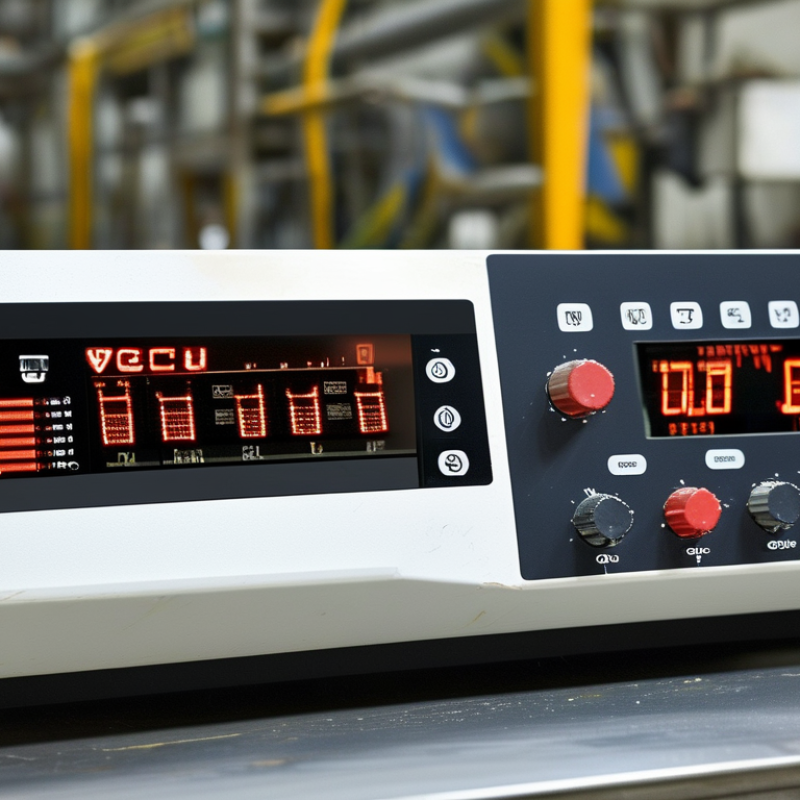
A TCU temperature controller machine regulates heat-transfer fluid around a process. It circulates water or thermal oil through jackets, molds, rollers, reactors, or other equipment. A heater raises the fluid temperature, while a cooler removes unwanted heat. Sensors measure the actual temperature and adjust the system continuously.
The control loop is practical, not mysterious. A pump maintains circulation, a controller compares actual and target temperatures, and valves respond to process changes. In polymer molding, even a small temperature drift can affect viscosity, surface quality, cycle time, and dimensional accuracy. The U.S. Department of Energy’s Industrial Decarbonization Roadmap reports that process heating represents about 51% of energy use in U.S. manufacturing. Better temperature control can therefore support both product consistency and energy management.
It is not a magic box. Performance depends on flow rate, insulation, sensor location, fluid condition, and the process load. The International Energy Agency’s Energy Efficiency 2023 report identifies industry as responsible for roughly 37% of global energy demand, making efficient thermal control increasingly important. In real operation, operators should check temperature uniformity at the process point, not only at the machine outlet. That detail is easy to miss. A poorly placed sensor may show a perfect reading while the mold edge remains too cold. Manufacturers should also review response time, alarm functions, maintenance access, and fluid compatibility before selecting a TCU.
A TCU temperature controller machine regulates the temperature of a process fluid through a closed circulation loop. A pump moves water or thermal oil from the unit to a mold, jacket, roller, or reactor. The fluid absorbs heat from the process and returns to the controller. This continuous movement keeps temperature changes measurable and manageable.
Inside the machine, a sensor measures the return-fluid temperature several times per second. The controller compares that reading with the selected setpoint. When the process is too cold, an electric heater raises the fluid temperature. When it is too hot, a cooling valve or heat exchanger removes excess heat. A proportional-integral-derivative control system adjusts these actions instead of switching them randomly. Small corrections matter.
The process load affects performance. Opening a mold, adding cold material, or increasing production speed can disturb the temperature quickly. A well-sized pump maintains stable flow through narrow channels and reduces uneven heating. Filters, pressure switches, and high-temperature cutoffs provide additional protection. Operators should verify sensor placement, flow rate, and hose insulation during commissioning. A sensor installed too far from the process may show a comfortable reading while the working surface remains cold. That mistake is easy to miss. In practice, the first control setting is rarely perfect, so technicians often adjust response times after observing real production conditions.
| Data Dimension | Typical Data or Operating Range | How It Works or Why It Matters |
|---|---|---|
| Primary Function | Maintains a stable temperature for process equipment, molds, reactors, tanks, or heat exchangers. | The controller continuously adjusts heating and cooling to keep the process fluid close to the selected setpoint. |
| Common Heat-Transfer Fluids | Water for approximately 5–95°C; thermal oil for applications commonly reaching 150–300°C, depending on the fluid and system design. | The fluid transfers heat between the TCU and the connected process circuit. The selected fluid must be compatible with the operating temperature. |
| Heating Method | Electric immersion or inline heaters, typically sized from several kilowatts to more than 20 kW for larger systems. | When the measured temperature is below the setpoint, the controller energizes the heater, usually through staged or proportional control. |
| Cooling Method | Water-cooled or air-cooled heat exchanger; cooling-water requirements vary by process load and inlet temperature. | When the process temperature rises above the setpoint, a cooling valve or refrigeration circuit removes excess heat from the circulating fluid. |
| Temperature Control Accuracy | Typically about ±0.5°C under stable load conditions; actual performance depends on sensor location, flow, insulation, and heat load. | A temperature sensor measures the outlet or process temperature, and a PID controller compares it with the setpoint to correct deviations. |
| Circulation Pump | Typical process flow: approximately 10–100 L/min; pressure and flow depend on pump size and circuit resistance. | The pump circulates the heat-transfer fluid through the TCU and the connected equipment, helping distribute temperature evenly. |
| Control Strategy | Automatic PID control with digital setpoint entry; optional recipe, alarm, and communication functions may be available. | PID control reduces overshoot and temperature fluctuation by continuously matching heating or cooling output to the measured process condition. |
| Typical Sensors | RTD temperature sensor, commonly Pt100; additional sensors may monitor pressure, flow, level, and motor status. | Sensor feedback allows the control system to regulate temperature and stop the machine when an unsafe condition is detected. |
| Safety Protection | Common protections include over-temperature shutdown, low-fluid-level detection, pump overload protection, pressure monitoring, and emergency stop. | The safety system interrupts heating or circulation when operating limits are exceeded, reducing the risk of equipment damage. |
| Energy Efficiency | Improved by correct heater sizing, insulated piping, efficient heat exchangers, short circulation paths, and proportional control. | Accurate control prevents unnecessary heating and cooling, helping reduce energy consumption and process variation. |
| Typical Applications | Plastic injection molding, extrusion, die casting, chemical processing, pharmaceutical production, food processing, and laboratory testing. | A stable thermal environment improves product consistency, cycle repeatability, surface quality, and process control. |
| Main Selection Factors | Required temperature range, heating and cooling capacity, process flow, pump pressure, heat-transfer fluid, connection size, and control interface. | Correct sizing ensures the TCU can reach the target temperature quickly and maintain it under the maximum expected process load. |
Note: The values shown are typical engineering ranges for general TCU applications. Final operating limits should be confirmed from the machine specification, heat-transfer-fluid data, and process requirements.
Why Choose a TCU Temperature Controller Machine?
TCU temperature controller machines support industries that require stable process heat. Plastics manufacturing is a major example. PlasticsEurope’s Plastics—The Fast Facts 2023 reported 400.3 million tonnes of global plastics production in 2022. Injection molding and extrusion need consistent mold and barrel temperatures. Small fluctuations can create warping, short shots, or uneven surfaces. A TCU helps operators maintain repeatable conditions across long production runs.
Pharmaceutical, chemical, food-processing, composite, and die-casting facilities also use TCUs. In pharmaceutical production, controlled temperatures protect material consistency and process accuracy. Chemical plants use them for reactors, tanks, and heat exchangers. FAO’s The State of Food and Agriculture 2019 estimated that 14% of food is lost between harvest and retail. Temperature control cannot solve every loss, but it can reduce avoidable variation during processing. That distinction matters.
Tips: Match the TCU to the fluid, temperature range, flow rate, and heat load. Check sensor calibration regularly. Insulation also matters. A powerful machine may still waste energy through poorly insulated hoses. In practice, users sometimes select equipment by maximum temperature alone. That is an imperfect shortcut. Actual load changes, ambient conditions, and cleaning requirements deserve equal attention. Review production records before sizing the machine.
A TCU temperature controller machine provides precise heating and cooling for industrial processes. Its main benefit is consistent temperature control during production. Stable heat matters. In molding, coating, and processing applications, small temperature changes can affect viscosity, surface quality, and cycle time. A reliable TCU helps maintain the selected temperature, even when production loads change.
Operators can also improve product consistency and reduce manual adjustments. Clear readings make abnormal temperature changes easier to detect. Faster heat transfer may shorten startup periods and support more efficient production schedules. Some systems also recover quickly after opening a mold or changing materials. This reduces waiting time. With proper calibration, the controller can support repeatable results across different production batches.
Energy use is another practical consideration. A well-matched unit avoids unnecessary heating and cooling, although savings depend on insulation, load size, and operating habits. Routine checks of hoses, filters, sensors, and fluid levels improve reliability. Poor maintenance can cancel many expected benefits. In my experience, operators sometimes focus on the display and overlook flow restrictions. That is an easy mistake. No TCU removes every process problem, but accurate control gives technicians better evidence for troubleshooting, quality checks, and process improvement.
Why Choose a TCU Temperature Controller Machine?
How Should You Select and Operate a TCU Temperature Controller Machine?
Selecting a TCU temperature controller machine starts with the process requirements. Identify the target temperature, heating load, cooling load, fluid type, and required flow rate. Check the operating pressure and the materials that contact the fluid. A water-based unit suits moderate temperatures, while oil systems support higher operating ranges. Do not choose capacity from heater power alone. The mold, pipe length, ambient temperature, and cycle time also affect performance.
Look for stable temperature control, accurate sensors, simple alarms, and accessible maintenance points. A clear display helps operators notice slow heating or unexpected pressure changes. Confirm that the pump can deliver enough flow without damaging delicate channels. Installation should include correct hoses, secure electrical connections, proper ventilation, and leak checks. Keep the machine level. Small errors here can create large process variations.
During operation, inspect the fluid level and connections before starting. Open the circulation path, then begin heating or cooling according to the manual. Watch temperature, pressure, flow, and unusual noise during the first cycle. Never ignore a repeated alarm. Stop the unit if a leak, dry-running pump, or unstable reading appears. Experienced operators often record settings after each production run. That habit exposes patterns, although records are not always complete. A perfect setup is unlikely. Review the results, adjust carefully, and clean filters at suitable intervals.


For those larger-sized parts, or smaller quantity runs, we have 2 independent powder coat booths and ovens. The quality, durability and affordability of today’s powder coating finishes make this the process of choice for world-class companies.
Powder coating advantages over other forms of coating are many. Materials used in the Powder coating process can be metals and non-metals that come in a multitude of thicknesses, textures, colors, etc. Another of Powder coating’s biggest advantages over conventional coatings is its ability to create finishes in many different textures. Powder Coating Booths allow us the ability to apply these advantages to large products.
Tri-State Fabricators runs a full-service conveyor line for painting. Wet painting can provide protection or decoration to many different part styles. From start to finish, every project is easier to undergo random and point-based inspection by our skilled painting team.
Advantages to our Wet Paint Line are these lines start with product prep and ends with a thorough inspection of a high quality finished product. Our ability to complete large and small projects with a superior finish and doing so in a timely and economical fashion. This passes along the savings in production to our customers. When powder coating ins not an option, our Wet Paint Line gets the job done right the first time.
When the parts get big and heavy we roll-out our custom paint racks and oversize booth. By utilizing our partnerships with all the major paint brands, we can match virtually any color with wet paint.
The advantages of having access to a Wet Paint Booth are many. Large projects of many different shapes can be loaded into the booth. The Wet Paint Booth offers an environment that is much more controlled than a typical parts painting operation.
Not only are they used because of their controlled environment, but they’re are also advantageous when it comes to applying paint to parts that are needed in industries that require specialty coatings such as medical, aerospace, etc.
Our military forces have some very high standards when it comes to the finish of their vehicles and equipment. From the first pre-treatment step to final coat, it takes a great deal of knowledge and experience to protect the men and women of our armed forces. They deserve only the best, and Tri-State Fabricators provides it.
All of our processes are closely monitored by our staff and management teams. Both of which are highly trained in the processes of metal fabrication and finishing. Tri-State Fabricators’ goal is to always fully satisfy each and every customer, including the military. We will always put a 110% into what we do.
Abrasive media blasting is an excellent way to remove old paint, rust, and increase the paint/powder adhesion. Glass beads produce a much smoother and brighter finish than angular abrasives; leaving the part clean yet without any dimensional change. Chemically inert and environmentally friendly, we can recycle our beads approximately 30 times; making them a more preferred method of metal cleaning or surface finishing.
Advantages to Glass Bead Blasting are many. Glass bead blast media is used when a project is needing rough surfaces need to become smooth for applications of coatings such as paint. It is typically used to clean paint and rust from a product surface without deforming the surface it is being used on. Overall, compared to many other blasting media, Glass Bead Blasting is a very economical choice and those savings are always passed on to our customers.
Tri-State Fabricators utilize a zinc phosphate wash to clean and etch the material to ensure the best paint adhesion possible. The unique design of our 3-stage wash system does the work like a 5-stage. From Cleaning and rinsing to conversion coating and post-treatment, Our Part Washing process is a complete service and works throughout the fabrication service and the finishing service.
Along with the previously mentioned benefits, Curing is a vital chemical reaction that leaves the product finish hard and relatively safe from mild abrasion and aggressive corrosion. This process can be done in more than one way; ambient air-dry or in curing ovens at temps that exceed 240°.
From fixing paint mistakes (someone else’s of course) to simply cleaning our paint line hooks, our burn-off oven is put to good use. After a quick burn-off, a little clean up, and a fresh coat of paint, your parts will look better than new.
Why does our Burn-Off Oven work so well? Because super heating the air around parts turns the materials into ashes. From paint and powder coatings to rubber and machining oils, high temps do the job without degrading the integrity of the part.
Masking is a vital part of producing high quality products. We have die-cut masking patterns to protect machined surfaces as well as a wide range of plugs and caps to protect threaded holes and bolts. We provide permanent and temporary masking.
Masking allows the selected sections of a product to be protected from a fabrication or finishing service. This can be with both chemicals when etching and tapes, paints when only finishing just a section of the product. Masking is great in aiding the customization process of a project.
Screen printing is a photographic process that transfers artwork onto a porous nylon screen which allows colored ink to flow through the screen and be deposited on an aluminum or plastic component. We can generally have just about any design created onto a screen for your parts.
Some of the advantages of Screen Printing are, brand recognition for your business displaying on your products, assembly instructions, product warnings/hazards, etc. Tri-State Fabricators produces Screen Printing of the highest quality so you know it’s durable.
Metal Finishing is the art of treating the exterior portion of product, often metal but can also be made of other materials, so that the surface is clean and free of any debris. Then the process of applying coats or either paint of powder coat takes place. This coating process improves the quality of the product in both appearance and resistance to wear and corrosion.
Tri-State Fabricators, Inc., understands that a project typically isn’t complete until a high-quality finish has been added to your product. This is why our painting and powder coating teams continuously inspect the products throughout the Metal Finishing process.