

Why Choose Carbide Stators for Industrial Pumps?

Industrial pumps often operate where ordinary components wear quickly. Abrasive particles, high pressure, and continuous cycling can damage stators within a short service period. A carbide stator offers a harder working surface for demanding pumping conditions. Its resistance to abrasion may help maintain stable clearances and reduce unplanned maintenance. That matters when a pump handles mineral slurry, drilling fluid, or chemically challenging process media.

Performance depends on more than hardness. The carbide grade, binder composition, rotor fit, and surface finish must suit the application. Engineers should review particle size, operating temperature, pressure, and expected flow before selecting the component. A well-matched carbide stator can support consistent output while protecting equipment from repeated wear. In practice, this may mean fewer shutdowns and more predictable maintenance intervals.

Still, carbide is not a universal answer. It can be brittle under impact, especially when installation is careless or alignment is poor. Small assembly errors matter. Excessive vibration may also reveal problems elsewhere in the pump system. Experienced maintenance teams should inspect seals, bearings, shaft condition, and lubrication alongside the stator. Reliable results come from complete system evaluation, not from material selection alone.

Field experience shows that durability claims require evidence. Pump records, wear measurements, and operating data provide stronger guidance than general promises. With proper design and installation, a carbide stator can be a practical choice for industrial pumps facing severe wear. The decision deserves careful review.

Why Choose Carbide Stators for Industrial Pumps?

What Are Carbide Stators in Industrial Pumps?

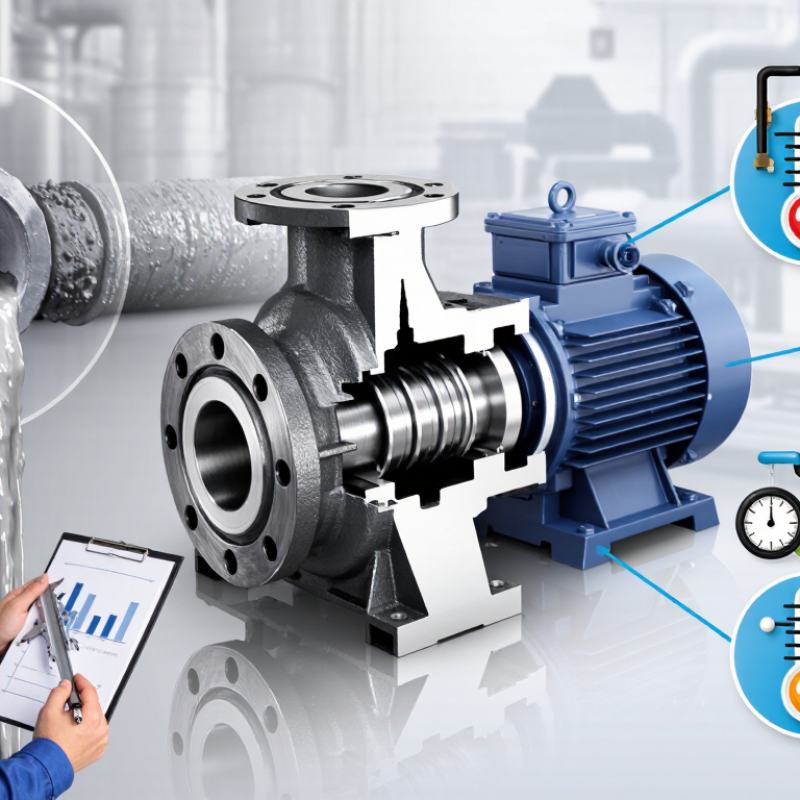
In an industrial pump, a stator is the stationary component surrounding the rotating rotor. It forms a controlled pumping cavity and helps move fluid at a steady rate. In many progressive cavity pumps, the stator has an internal helical shape. The rotor turns inside it, creating sealed chambers that carry liquid forward.

A carbide stator uses carbide material, or a carbide wear layer, on critical internal surfaces. This hard surface resists abrasion from sand, mineral particles, drilling residues, and other harsh solids. It can also maintain its internal profile longer than softer materials. That stability supports predictable flow and reduces frequent replacement. Clearance matters. Even a small change can affect pressure, efficiency, and leakage.

From a maintenance perspective, carbide stators are useful when abrasive service repeatedly damages conventional surfaces. Technicians should still check particle size, temperature, chemical exposure, rotor condition, and operating speed. Carbide is not magic. A wrong fit may create excessive friction, especially during dry running or poor alignment. I have seen equipment selections focus on hardness alone, while ignoring elastomer compatibility and lubrication. That shortcut can produce disappointing results. Proper installation also matters; uneven tightening may distort the stator and reduce sealing performance. For this reason, engineers should compare material data with actual pump conditions, not rely only on catalogue ratings. A carbide stator may cost more initially, but its value depends on measurable wear reduction and stable operation.

How Carbide Stators Improve Pump Performance

Carbide stators can improve pump performance by preserving internal geometry under abrasive service. Their hard surfaces resist particles that quickly wear softer materials. This helps maintain sealing contact between the stator and rotor. Flow becomes more stable. Slip losses can also decline.

The U.S. Department of Energy reports that pumping systems may represent about 25% of industrial electricity use. Its Improving Pumping System Performance guide also highlights substantial savings from better system design and maintenance. The Hydraulic Institute and Europump report that energy can form roughly 40% of a pump’s life-cycle cost in Pump Life Cycle Costs: A Guide to LCC Analysis for Pumping Systems. A carbide stator may therefore support lower operating costs when wear causes repeated efficiency losses.

Field maintenance teams should still check the full application. Carbide handles abrasion well, but it can be less forgiving under impact or misalignment. Poor rotor sizing can erase its benefits. Thermal expansion matters, too. The pump must match the fluid, pressure, solids content, and operating temperature. Not every duty needs carbide. In some installations, the higher initial cost pays back through longer service intervals; in others, it does not. That uncertainty deserves measurement, not assumption. Track flow, power draw, vibration, and wear before and after installation. Small details matter.

Why Carbide Stators Resist Wear and Corrosion

Why Choose Carbide Stators for Industrial Pumps?

Carbide stators resist wear and corrosion through their dense, hard working surfaces. They handle abrasive slurries, chemical additives, and repeated pressure cycles better than many conventional elastomers. In progressive cavity pumps, this matters when sand, mineral particles, or crystallized solids pass through the pumping chamber. A harder stator surface can reduce grooving and maintain closer sealing contact. That helps protect flow consistency and extend service intervals.

The NACE IMPACT study estimated global corrosion costs at 3.4% of worldwide gross domestic product, or about 2.5 trillion dollars in 2013. Its findings also suggested that 15% to 35% of corrosion costs could be avoided through better practices. Carbide does not eliminate corrosion risk. Its performance depends on carbide grade, binder chemistry, temperature, and the pumped fluid’s pH. Some designs also use protective coatings or engineered carbide inserts. The choice is not flawless.

Tips: Check the fluid’s abrasive particle size, chloride level, temperature, and viscosity before selecting a stator. Ask for abrasion and chemical-resistance data under conditions close to your process. Inspect the stator after commissioning. Small leakage marks often reveal early wear before production losses become obvious.

Field experience shows that correct clearance matters as much as material hardness. Excessive interference can increase heat and torque. Insufficient interference can reduce sealing and lower pump efficiency. A carbide stator should therefore be matched with the rotor, operating speed, and maintenance plan, not selected by hardness alone.

Why Choose Carbide Stators for Industrial Pumps?

Cemented tungsten carbide typically provides much higher hardness than hardened steel, helping stator surfaces resist abrasive wear from suspended particles. Its corrosion performance depends on the carbide grade, binder composition, fluid chemistry, temperature, and seal design; binder-reduced or corrosion-resistant grades are generally selected for aggressive media. Values shown are representative Vickers hardness levels and can vary by material grade and test method.

Which Industrial Pump Applications Benefit from Carbide Stators?

Carbide stators are most valuable where industrial pumps face abrasive solids, pressure swings, and long operating hours. Mining slurry lines, mineral processing plants, and cement transfer systems are common examples. Sand, quartz, and metal particles can quickly score softer stator surfaces. Carbide resists this cutting action and helps maintain sealing contact around the rotor.

The U.S. Department of Energy reports that pumping systems can consume 25–50% of an industrial facility’s electricity. That makes stable hydraulic performance important, not merely convenient.

Carbide stators can support this stability in wastewater grit handling, sludge transfer, and heavy-duty chemical processing. They are also useful in oilfield and drilling-fluid service when abrasive particles enter the flow. Pump selection still matters. A strong stator cannot correct poor alignment or incorrect speed.

Field inspections should check temperature marks, uneven wear, and torque changes. These details often reveal trouble before output drops.

A carbide surface may last longer, but it can cost more and tolerate less impact from large solids. That trade-off is easy to overlook.

The Hydraulic Institute recommends evaluating pumps as complete systems, including controls, piping, and operating conditions. Dry running remains a serious risk. Even advanced materials need adequate lubrication and cooling.

Operators should compare particle size, chemical compatibility, pressure, and maintenance records before specifying a carbide stator. In some low-abrasion applications, the upgrade may not repay its cost.

How to Select and Maintain Carbide Stators for Pump Systems

Why Choose Carbide Stators for Industrial Pumps?

Selecting a carbide stator begins with the pumped medium, not the catalog name. Record viscosity, temperature, abrasive solids, pressure, and operating speed. Carbide surfaces can resist wear from sand, mineral particles, and other harsh contaminants. They are not suitable for every fluid.

Check chemical compatibility carefully. Some fluids attack the bonding material or surrounding elastomer. Confirm the stator’s temperature range, hardness, dimensional tolerances, and pressure rating with technical documentation.

A small clearance error can reduce flow or increase torque. That detail matters.

Field experience shows that installation quality affects service life. Flush the pump before fitting a new stator. Remove hardened deposits from the rotor and housing. Inspect for scoring, uneven wear, swelling, or overheating. Measure output at a stable speed, then compare it with the maintenance record. Do not rely on sound alone.

Keep the pump lubricated during startup. Dry running can damage the stator within minutes. Monitor motor current, vibration, discharge pressure, and temperature during operation. A sudden current increase may indicate blockage, excessive friction, or incorrect alignment.

Carbide components can last longer, but they are not maintenance-free. This is easy to overlook. Review inspection intervals after the first operating cycle, because laboratory assumptions may differ from plant conditions. A practical schedule is often better than a perfect one. Replace worn seals and check coupling alignment whenever the stator is removed.

Article Source:

Powder Coat Booths

For those larger-sized parts, or smaller quantity runs, we have 2 independent powder coat booths and ovens. The quality, durability and affordability of today’s powder coating finishes make this the process of choice for world-class companies.

Powder coating advantages over other forms of coating are many. Materials used in the Powder coating process can be metals and non-metals that come in a multitude of thicknesses, textures, colors, etc. Another of Powder coating’s biggest advantages over conventional coatings is its ability to create finishes in many different textures. Powder Coating Booths allow us the ability to apply these advantages to large products.

Wet Paint Line

Tri-State Fabricators runs a full-service conveyor line for painting. Wet painting can provide protection or decoration to many different part styles. From start to finish, every project is easier to undergo random and point-based inspection by our skilled painting team.

Advantages to our Wet Paint Line are these lines start with product prep and ends with a thorough inspection of a high quality finished product. Our ability to complete large and small projects with a superior finish and doing so in a timely and economical fashion. This passes along the savings in production to our customers. When powder coating ins not an option, our Wet Paint Line gets the job done right the first time.

Wet Paint Booths

When the parts get big and heavy we roll-out our custom paint racks and oversize booth. By utilizing our partnerships with all the major paint brands, we can match virtually any color with wet paint.

The advantages of having access to a Wet Paint Booth are many. Large projects of many different shapes can be loaded into the booth. The Wet Paint Booth offers an environment that is much more controlled than a typical parts painting operation.

Not only are they used because of their controlled environment, but they’re are also advantageous when it comes to applying paint to parts that are needed in industries that require specialty coatings such as medical, aerospace, etc.

Military CARC

Our military forces have some very high standards when it comes to the finish of their vehicles and equipment. From the first pre-treatment step to final coat, it takes a great deal of knowledge and experience to protect the men and women of our armed forces. They deserve only the best, and Tri-State Fabricators provides it.

All of our processes are closely monitored by our staff and management teams. Both of which are highly trained in the processes of metal fabrication and finishing. Tri-State Fabricators’ goal is to always fully satisfy each and every customer, including the military. We will always put a 110% into what we do.

Glass-Bead Blasting

Abrasive media blasting is an excellent way to remove old paint, rust, and increase the paint/powder adhesion. Glass beads produce a much smoother and brighter finish than angular abrasives; leaving the part clean yet without any dimensional change. Chemically inert and environmentally friendly, we can recycle our beads approximately 30 times; making them a more preferred method of metal cleaning or surface finishing.

Advantages to Glass Bead Blasting are many. Glass bead blast media is used when a project is needing rough surfaces need to become smooth for applications of coatings such as paint. It is typically used to clean paint and rust from a product surface without deforming the surface it is being used on. Overall, compared to many other blasting media, Glass Bead Blasting is a very economical choice and those savings are always passed on to our customers.

Part Washing

Tri-State Fabricators utilize a zinc phosphate wash to clean and etch the material to ensure the best paint adhesion possible. The unique design of our 3-stage wash system does the work like a 5-stage. From Cleaning and rinsing to conversion coating and post-treatment, Our Part Washing process is a complete service and works throughout the fabrication service and the finishing service.

Along with the previously mentioned benefits, Curing is a vital chemical reaction that leaves the product finish hard and relatively safe from mild abrasion and aggressive corrosion. This process can be done in more than one way; ambient air-dry or in curing ovens at temps that exceed 240°.

Burn-Off Oven

From fixing paint mistakes (someone else’s of course) to simply cleaning our paint line hooks, our burn-off oven is put to good use. After a quick burn-off, a little clean up, and a fresh coat of paint, your parts will look better than new.

Why does our Burn-Off Oven work so well? Because super heating the air around parts turns the materials into ashes. From paint and powder coatings to rubber and machining oils, high temps do the job without degrading the integrity of the part.

Masking

Masking is a vital part of producing high quality products. We have die-cut masking patterns to protect machined surfaces as well as a wide range of plugs and caps to protect threaded holes and bolts. We provide permanent and temporary masking.

Masking allows the selected sections of a product to be protected from a fabrication or finishing service. This can be with both chemicals when etching and tapes, paints when only finishing just a section of the product. Masking is great in aiding the customization process of a project.

Screen Printing

Screen printing is a photographic process that transfers artwork onto a porous nylon screen which allows colored ink to flow through the screen and be deposited on an aluminum or plastic component. We can generally have just about any design created onto a screen for your parts.

Some of the advantages of Screen Printing are, brand recognition for your business displaying on your products, assembly instructions, product warnings/hazards, etc. Tri-State Fabricators produces Screen Printing of the highest quality so you know it’s durable.

Metal Finishing

Metal Finishing is the art of treating the exterior portion of product, often metal but can also be made of other materials, so that the surface is clean and free of any debris. Then the process of applying coats or either paint of powder coat takes place. This coating process improves the quality of the product in both appearance and resistance to wear and corrosion.

Tri-State Fabricators, Inc., understands that a project typically isn’t complete until a high-quality finish has been added to your product. This is why our painting and powder coating teams continuously inspect the products throughout the Metal Finishing process.